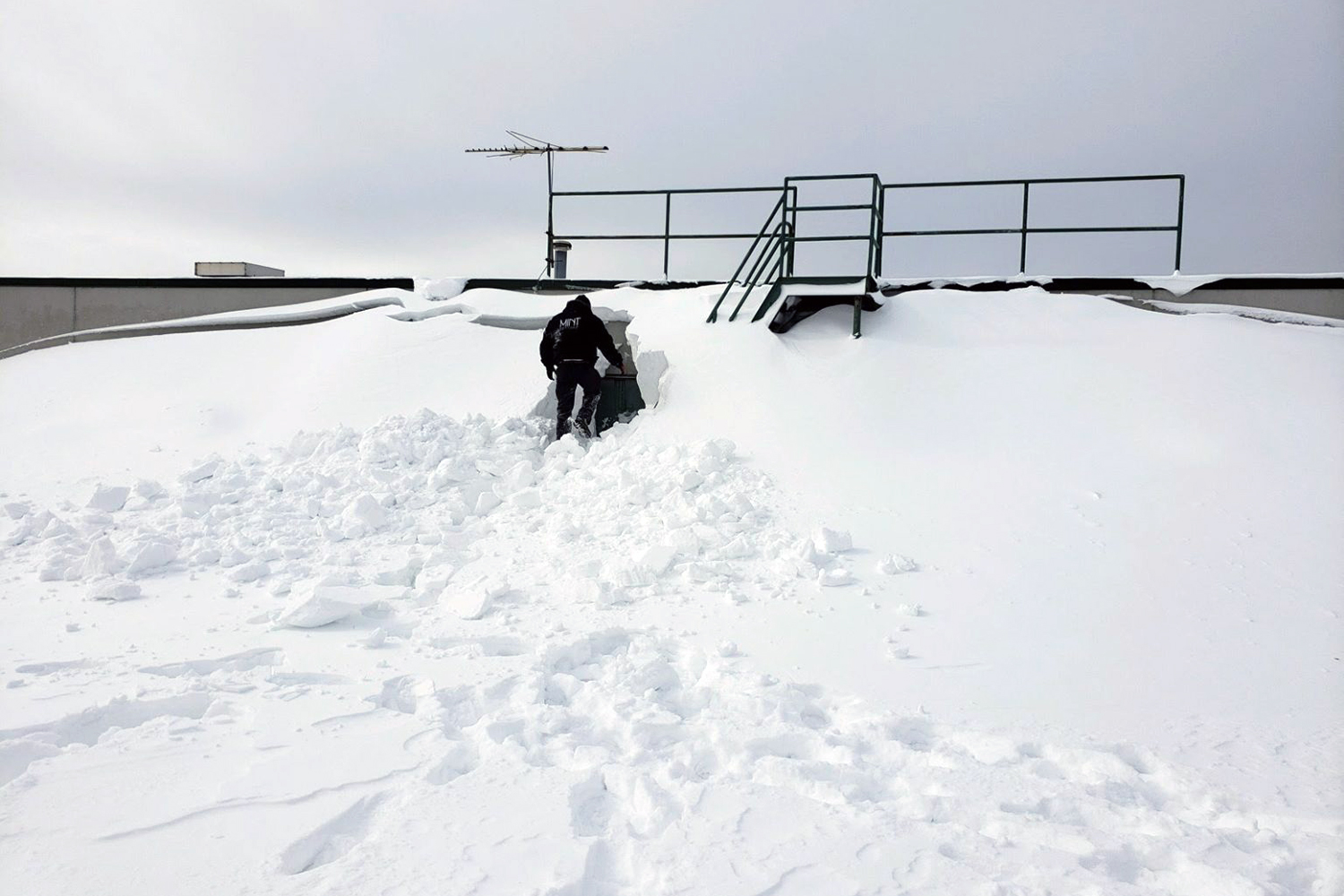
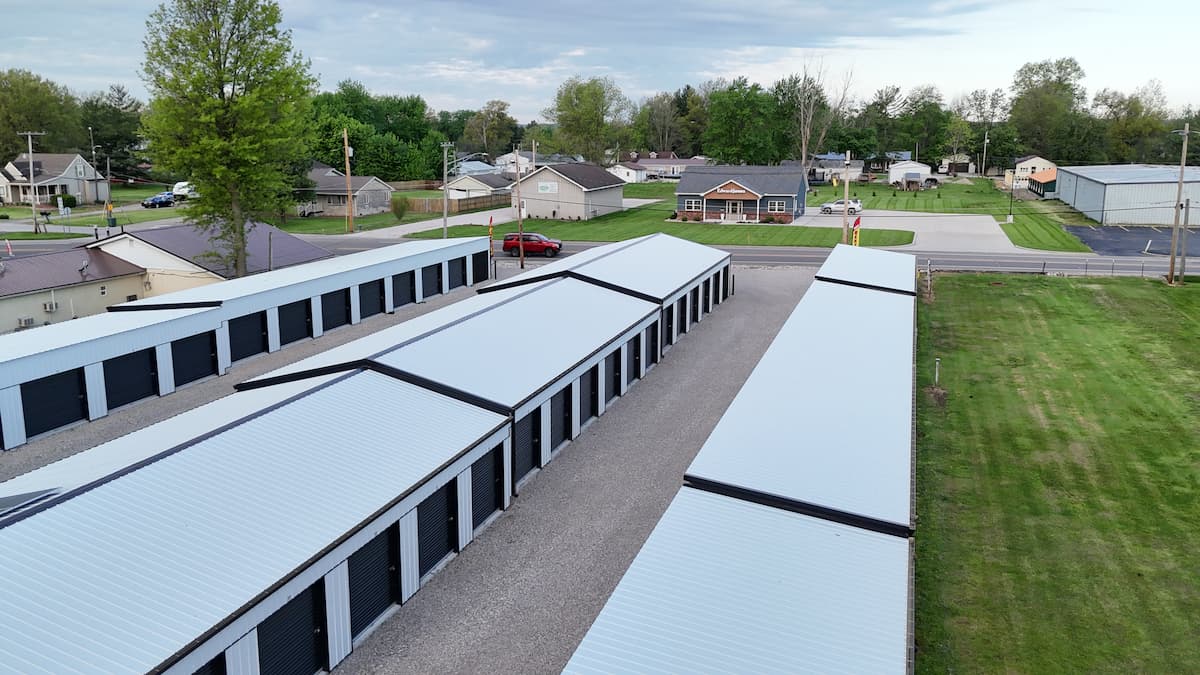
Stor-Mor Self Storage in Billings, Montana operates multiple locations across Yellowstone County, including large single-story metal buildings that face one of the most punishing winter roof load environments in the American West. Billings sits at the edge of a region where rapid-onset blizzards can deposit eighteen inches of wet, heavy snow in a single event, and where the Chinook winds that follow can heat surfaces so quickly that ice dams form at eaves within hours. Any commercial roofing contractor working on Montana self-storage must start every conversation with structural snow load before moving to membranes or drainage.
The ground snow load in Billings per ASCE 7 is a starting point, but roof snow load calculations for storage buildings must account for drift accumulation on lower roofs adjacent to taller structures, and for the thermal variability created when a climate-controlled unit building sits next to a non-heated drive-up row. Heated spaces lose enough roof heat to melt snow mid-winter, which then refreezes at the cold eave overhang and creates ice dams that force water under any panel lap that is not fully sealed. We design all Billings re-roofs to address this specific thermal boundary condition.
Snow guards are not optional on metal roof self-storage buildings in Billings. Without them, a sheet avalanche off a forty-foot building can damage vehicles, injure tenants, and destroy the overhead doors of the adjacent unit row. We specify engineered snow guard systems with load calculations tied to the Montana design snow load, not the minimum product spacing listed on a manufacturer's sell sheet. The attachment method matters too: clamp-on snow guards on standing-seam panels avoid penetrating the membrane, while through-fastened pipe systems on older ribbed metal require sealed washers and periodic inspection.
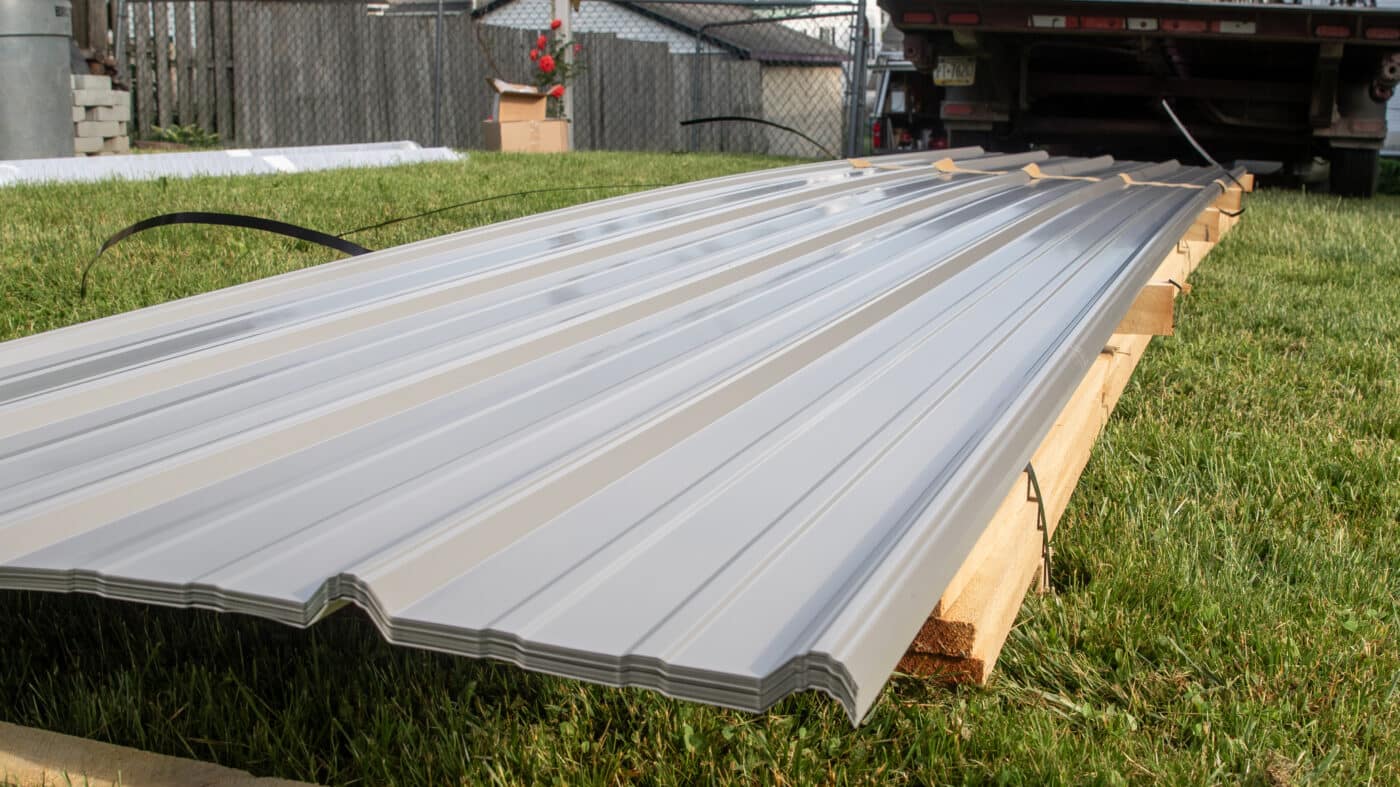
Metal roofing is by far the most common substrate on Billings self-storage, and most of the older buildings use corrugated or ribbed panels with exposed fasteners that have been cycling through freeze-thaw for twenty or thirty years. The fasteners back out over time, the neoprene washers compress and crack, and what looks like a solid roof from the ground is actually a system with hundreds of micro-leaks waiting to become active during the next melt cycle. A full fastener inspection and re-drive with oversized replacement screws and new washers can extend the life of a marginal metal roof by five to eight years before a full replacement is warranted.
When full replacement is the right call, standing-seam metal with a high-R-value polyiso insulation layer is the preferred system for Billings. The concealed fastener design eliminates the primary failure mode of the corrugated panels below, and the thermal performance of a proper insulation layer reduces the interior–exterior temperature differential that drives ice dam formation. We use ventilation strategies at the eave and ridge where building geometry allows, creating a cold roof deck above the insulation layer that keeps snow from melting and refreezing mid-panel.
Drainage design for Montana storage facilities must account for snowmelt volume, not just rainfall. A two-inch rain event is the design standard in many southern markets, but in Billings a rapid Chinook can melt twelve inches of snowpack in twenty-four hours, producing a drainage volume that exceeds a three-inch rain event on the same roof area. Our drainage calculations use the snowmelt scenario as the design condition, ensuring that gutters, downspouts, and interior drains are sized to handle what actually happens at this site, not what the rainfall table says.
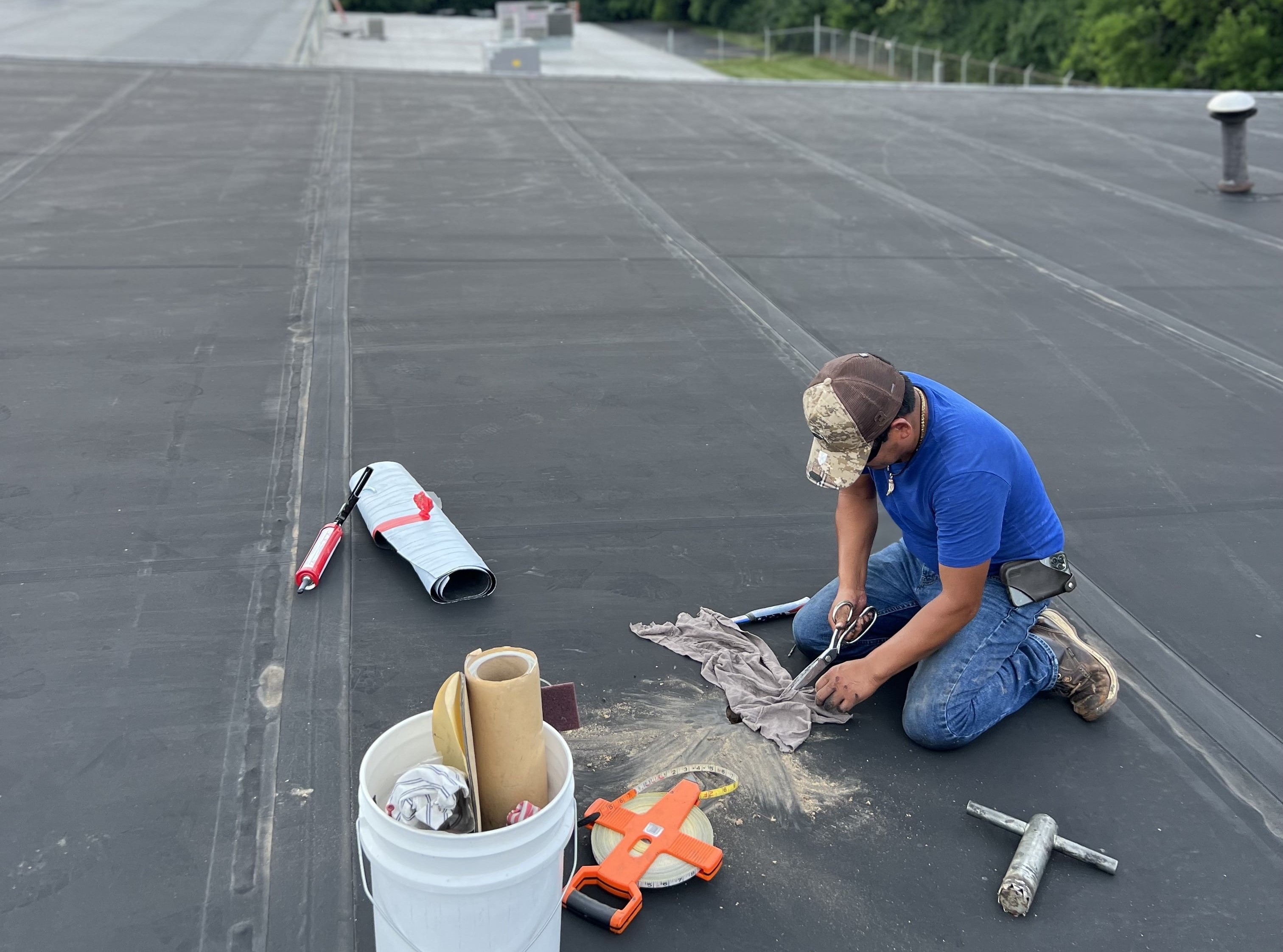
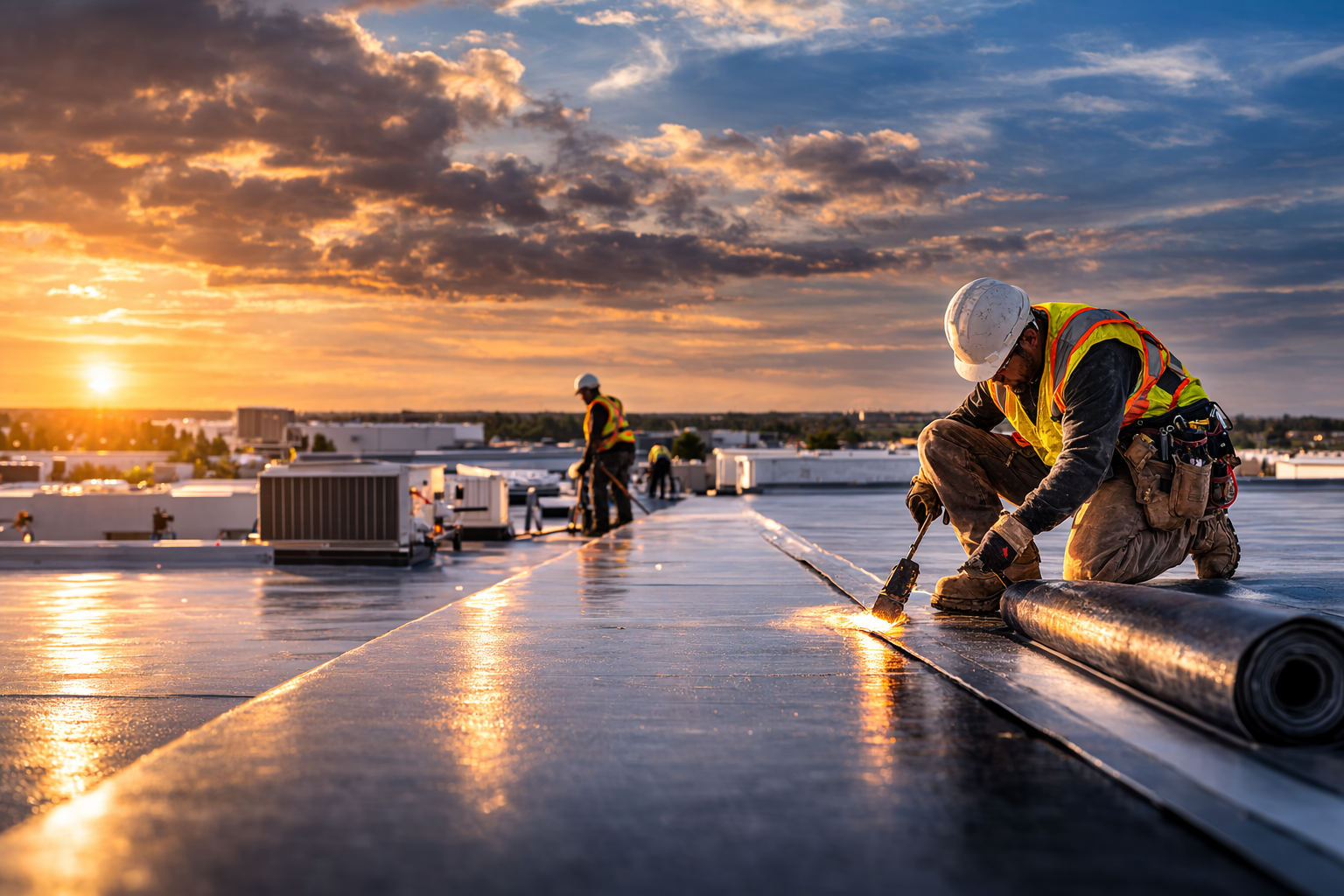
Tenant protection in a cold-climate storage environment means communicating clearly about winter scheduling. We try to complete membrane work and all penetration sealing before the first hard freeze in late October, and we never leave open decking overnight when temperatures below 32°F are forecast. If a re-roof must proceed during winter, we use cold-weather adhesives rated to minus-ten Fahrenheit and tent critical work areas with propane heat during application. These precautions cost more but they are the difference between a warranty-backed installation and a system that fails at its first freeze-thaw cycle.
Billings facility operators should also budget for annual roof inspections that include a specific check for panel fastener condition and sealant integrity at all ridge caps, hip transitions, and wall flashings. The combination of UV exposure, thermal cycling, and occasional hail from Montana's active severe weather season means these details degrade faster than they would in a more temperate climate. A $500 inspection that catches a loose ridge cap before the first November snow prevents a $15,000 interior damage claim and a tenant dispute.
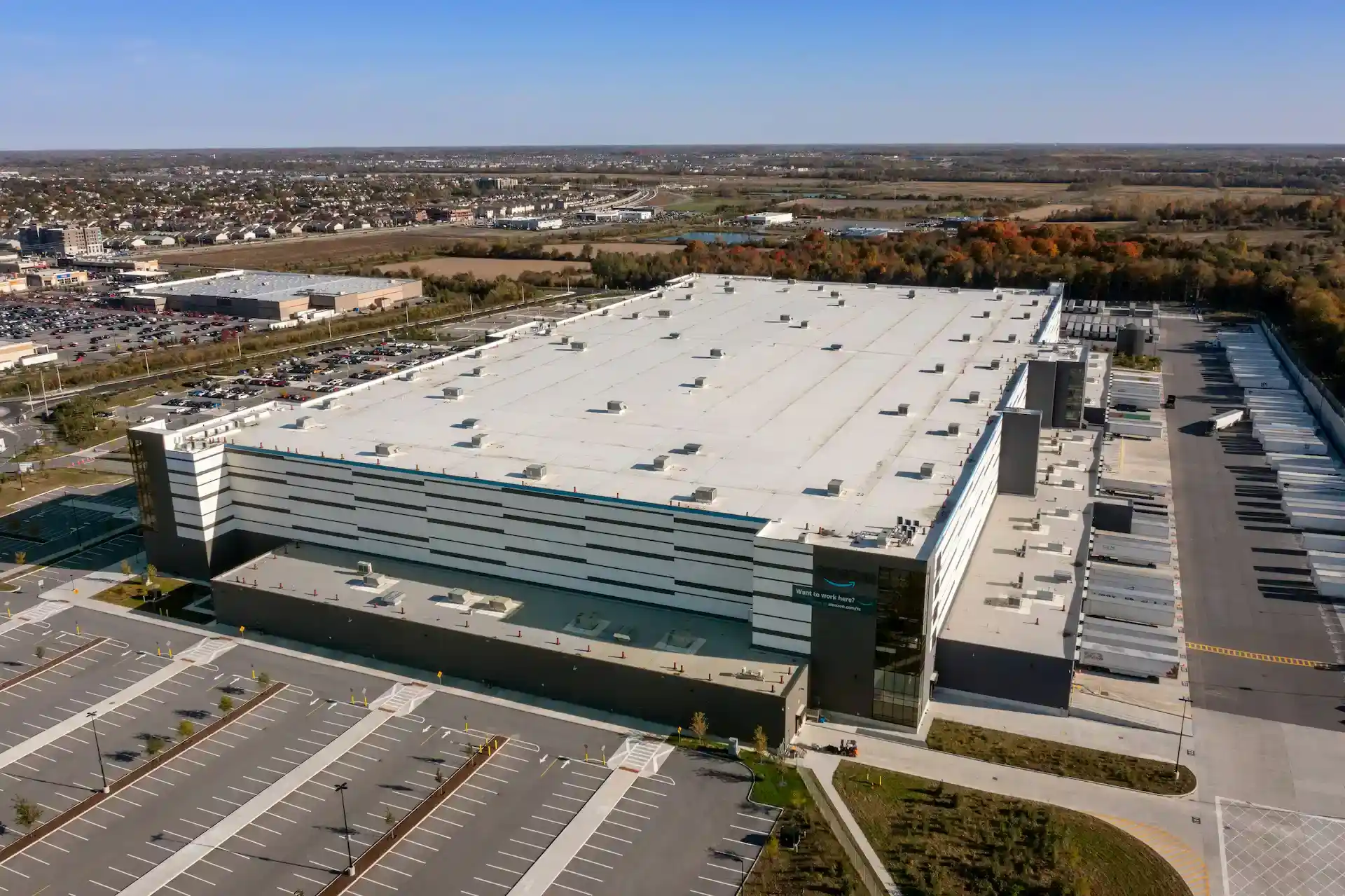
The self-storage market in Billings is growing with the region's energy and agricultural economy, and newer climate-controlled facilities are commanding premium rents that justify higher-quality roof systems. Operators who invest in a properly engineered standing-seam system with documented load calculations and manufacturer warranties are better positioned for refinancing or sale to institutional buyers who increasingly require building condition reports as part of due diligence. A well-documented Billings roof is an asset on the balance sheet, not just a maintenance expense.
- What snow load should I specify for a self-storage roof in Billings?
- Ground snow load for Billings is 30 psf per ASCE 7, but roof design loads must account for drift accumulation near taller obstructions and thermal differentials between heated and unheated building sections. We calculate site-specific design loads for every project.
- Are snow guards required on metal self-storage roofs in Montana?
- Montana building codes do not universally mandate snow guards, but liability exposure from sheet avalanches onto vehicles and tenants makes them a practical necessity. We install engineered systems with load-based spacing rather than minimal product defaults.
- How do you handle ice dam prevention on Billings storage buildings?
- We address ice dams through a combination of proper insulation to reduce heat loss, cold-deck ventilation where geometry allows, and full sealing of all panel laps and eave terminations so that any melt water that reaches the eave cannot infiltrate beneath the panel.
- Can you re-roof a self-storage building during a Billings winter?
- Yes, with appropriate precautions. We use cold-weather-rated adhesives, tent and heat critical application areas, and never leave open decking overnight when freezing temperatures are forecast. Winter re-roofs cost more but are feasible and sometimes necessary.
- How often should a Billings self-storage roof be inspected?
- We recommend annual inspections, ideally in September before the first freeze, specifically checking fastener condition, sealant integrity at all ridges and transitions, and snow guard attachment. This schedule catches small problems before winter amplifies them.