Billings sits at the junction of the Rimrocks and the Yellowstone River valley, and its retail landscape reflects the character of Montana's largest city — a working commercial hub that serves a trade area stretching across eastern Montana and into Wyoming. The Heights shopping district, the Shiloh Road big-box corridor, and the strip malls concentrated along Grand Avenue and King Avenue West all carry roofing systems that must survive conditions no coastal contractor encounters: winter snow loads exceeding 30 pounds per square foot, temperature swings of 80 degrees in a single week during Chinook events, and wind speeds along the Rimrock edge that consistently damage inadequately fastened roof assemblies.
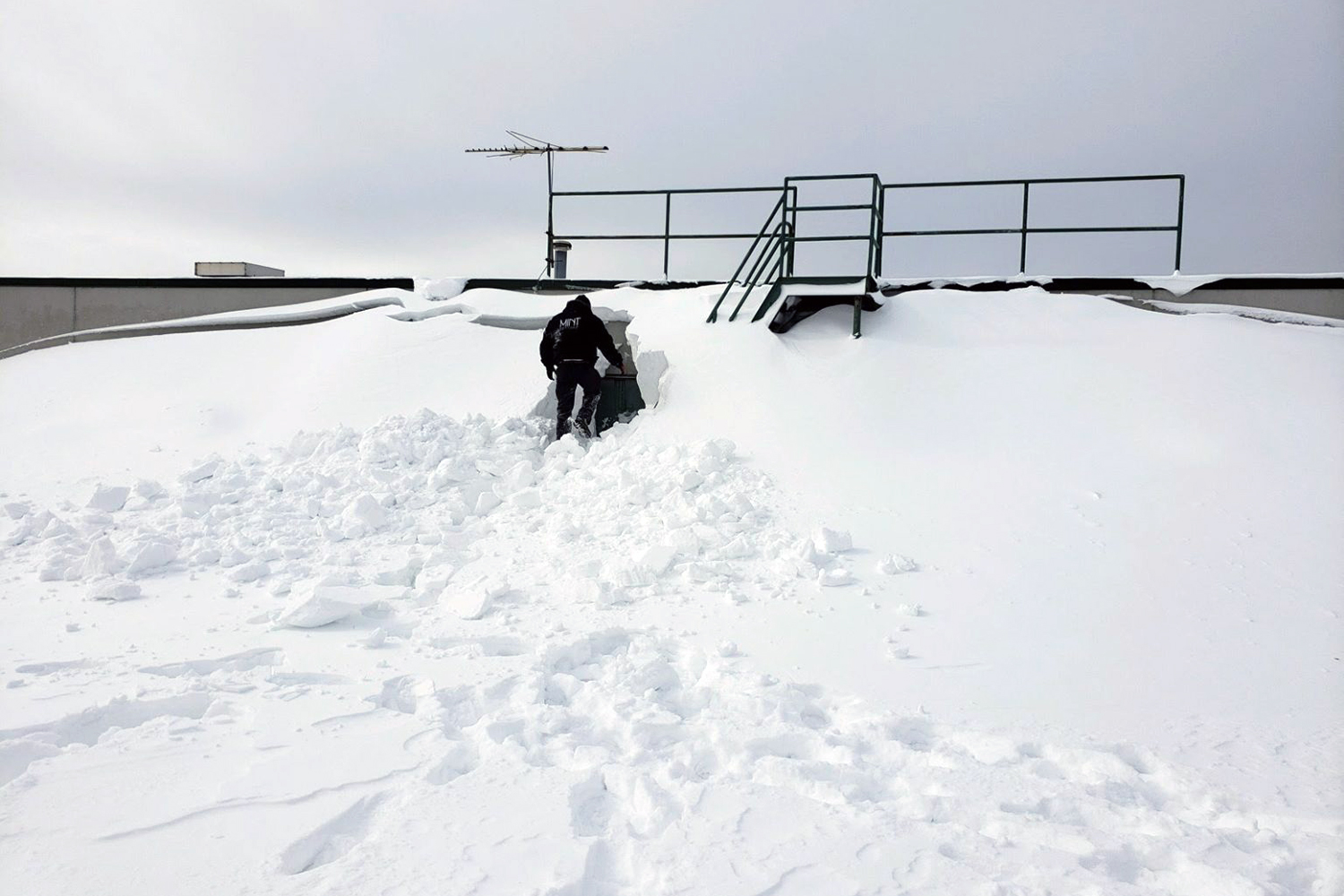
Snow load management is the defining engineering challenge for flat and low-slope retail roofs in Billings. The structural design of shopping centers in the Heights and along the South Side commercial corridors assumes a ground snow load based on Montana's statewide tables, but actual drift accumulation at parapet walls, at rooftop equipment screens, and in the valleys between stepped roof sections can multiply design loads by a factor of two or more. Our roofing assessments for Billings retail properties always include a structural review of existing drainage patterns and an analysis of where drift accumulation is occurring — data we share directly with the building owner's structural engineer when loads approach design limits.
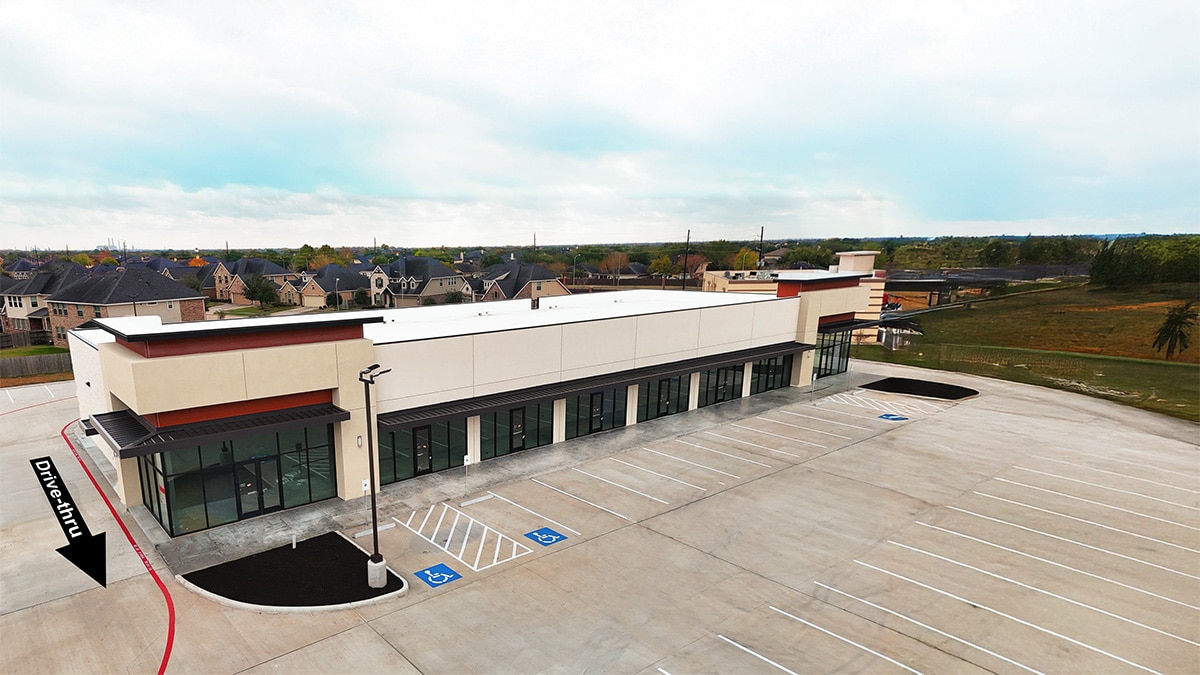
The Rimrock Mall and the power center retail that has developed along King Avenue represent the highest-profile retail roofing accounts in the Billings market, but the larger volume of work comes from the hundreds of strip mall bays and standalone retail buildings scattered across the Heights, the West End, and the South Side. These smaller properties typically run on tight CAM budgets managed by local landlords rather than institutional asset managers, and that means roofing decisions get deferred longer than they should. We offer condition grading systems and capital reserve schedules to help independent landlords in Billings plan for re-roofing before emergency repairs become the only option.
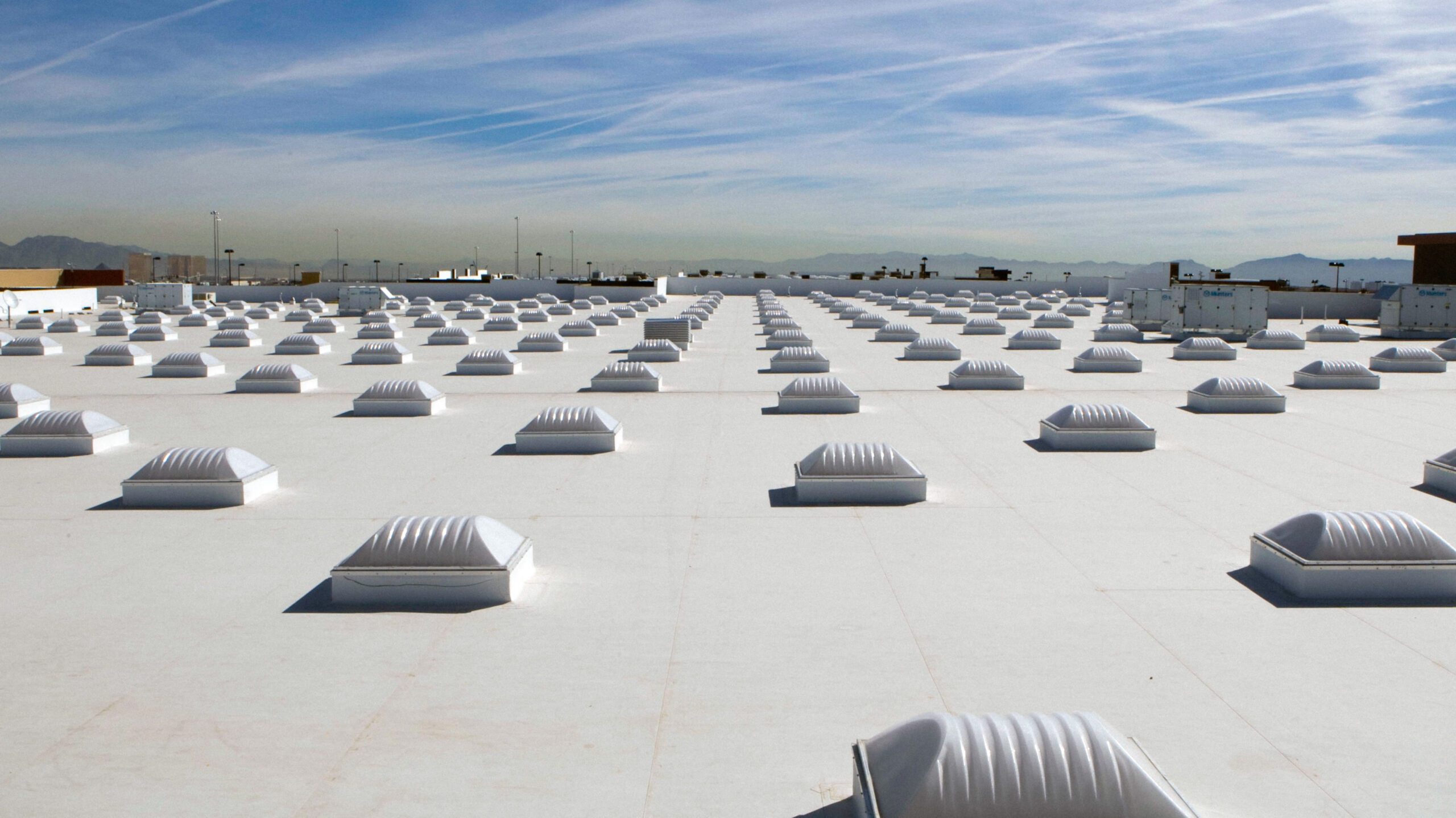
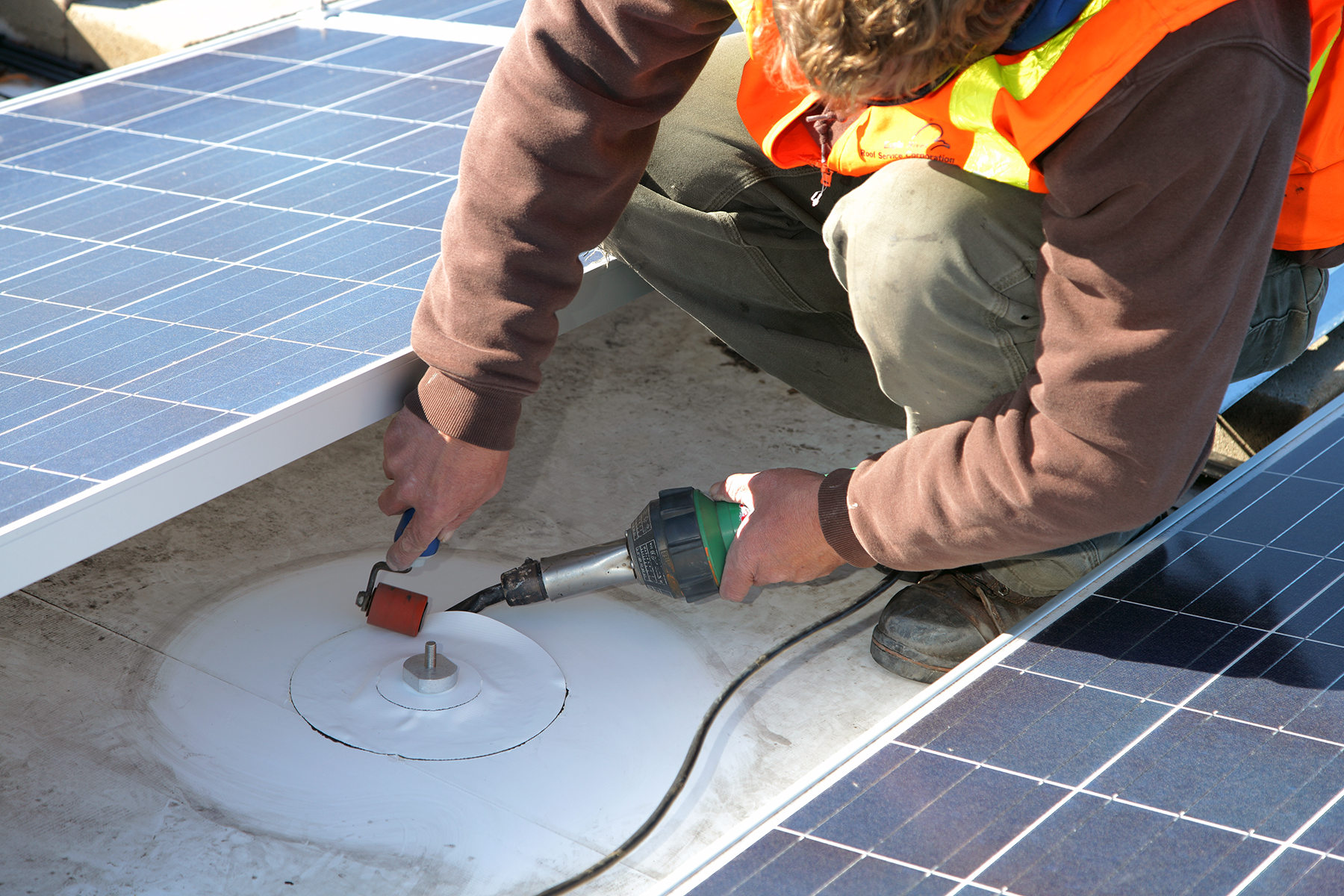
TPO roofing has become the dominant single-ply choice for Billings retail because its heat-welded seams hold up exceptionally well through the thermal cycling that Chinook winters impose. A Billings roof may experience freeze-thaw cycling 60 or more times between November and March, and a mechanically fastened TPO assembly with properly spaced seams will accommodate that movement far better than an adhesive-only system or an aging modified bitumen cap sheet. We specify 60-mil or 80-mil membranes on Billings retail projects depending on foot traffic exposure and proximity to HVAC service areas.
Retail tenants in Billings — from the national chains in the Shiloh Road power center to the locally owned shops along Grand Avenue — share a common concern about business continuity during roofing projects. Montana's short construction season creates pressure to complete work between May and October, which overlaps with the heaviest retail traffic months of summer and back-to-school shopping. We address this by mobilizing larger crews to compress project timelines and by establishing clear daily work sequencing that keeps occupied tenant bays fully waterproofed and secured by end of each shift, regardless of where the work-in-progress line sits.
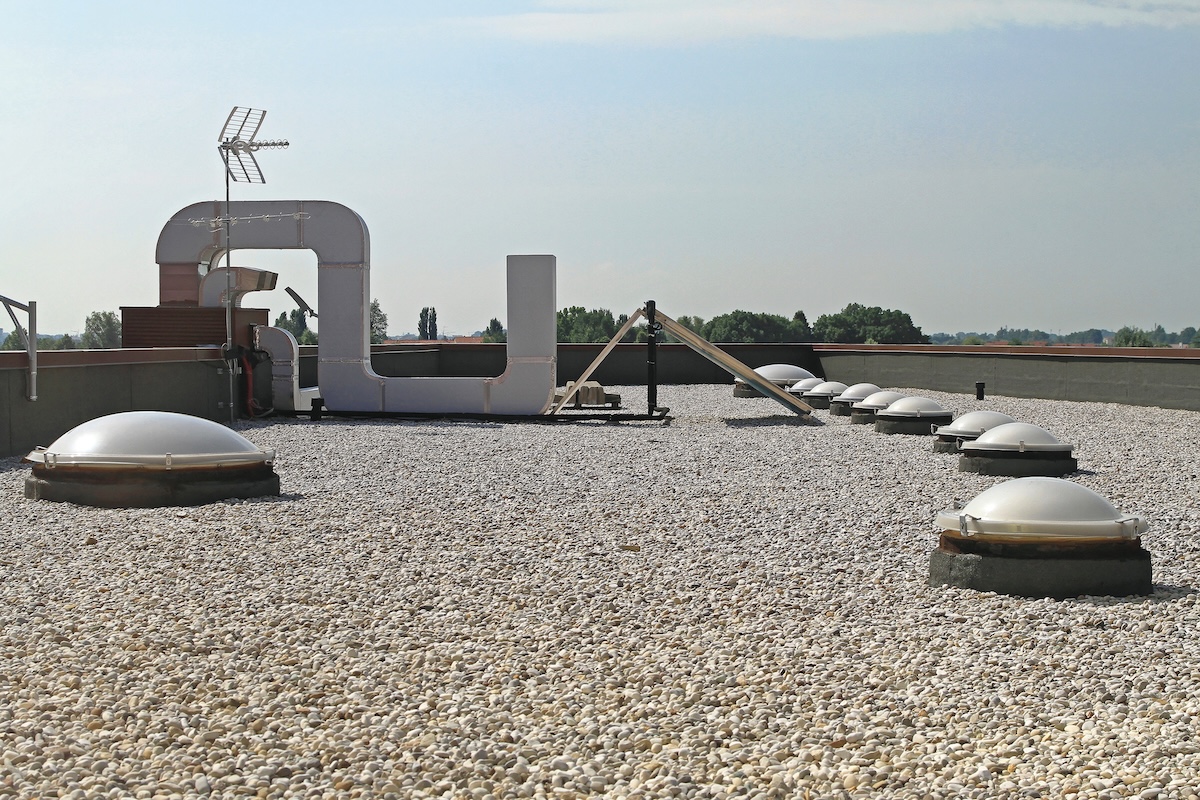
HVAC penetrations on Billings retail roofs face challenges beyond the standard leak-prevention concerns. Rooftop equipment in Billings must be engineered for wind exposures that can reach sustained speeds of 60 mph or higher during Chinook events along the Rimrock face. We inspect equipment curb anchorage, flue caps, and exhaust hoods as part of every retail roofing project, and we replace undersized or corroded fasteners with stainless hardware rated for the local wind exposure category. An HVAC unit that shifts on its curb during a windstorm creates an immediate roof leak and often damages refrigerant lines and electrical conduit in the same event.
Big-box retail properties in the Billings trade area — the stores along Shiloh Road serving customers driving in from as far as 200 miles away — operate under corporate facilities standards that specify roofing system types, warranty terms, and approved contractor qualifications. We maintain current documentation of the facilities standards published by the major national retailers with Billings locations, and our project managers work directly with corporate facilities contacts to ensure that re-roofing scopes meet brand requirements. This matters especially for landlords whose leases contain co-tenancy clauses tied to anchor store operational continuity.
Drainage design for Billings retail roofs must account for rapid snowmelt as well as summer thunderstorms. A Chinook event can drive temperatures from well below freezing to the mid-50s in under 12 hours, generating snowmelt runoff volumes that exceed what summer rainstorm sizing alone would require. Our drain and scupper calculations for Billings properties use the higher of the two sizing scenarios — summer convective storm intensity or rapid snowmelt rate — and we design heated drain assemblies into the specification for properties where the primary drainage path runs through unheated interior spaces that could freeze and block flow during overnight refreeze events.
Billings retail property owners considering roof replacement should understand that the local contractor market thins out considerably in winter, which creates scheduling leverage for owners willing to commit to spring projects during the fall planning cycle. Locking in material pricing and crew scheduling in September or October for a May start often yields better pricing and preferred scheduling than waiting until the spring thaw to start conversations. Our estimating team provides preliminary budgets in the fall that can be used for capital budget submissions to ownership groups and lenders, with firm pricing confirmed once spring material costs are set.
- What snow load standards apply to retail roof replacements in Billings?
- Montana follows the International Building Code with state amendments that reference ASCE 7 ground snow load tables, and Billings falls in a zone with a 30 psf ground snow load baseline. Drift surcharges at parapets, screens, and adjacent roof levels can require designing for 60 psf or higher at specific locations. Any re-roofing project that changes the insulation thickness or drainage path should include a structural review to confirm the assembly weight does not exceed original design capacity.
- How do Chinook wind events affect TPO roofing on Billings shopping centers?
- Chinooks create two distinct risks: high-speed sustained winds that test membrane fastening and seam integrity, and rapid thermal cycling that expands and contracts the membrane repeatedly over a short period. Properly heat-welded seams on a mechanically fastened TPO system handle both well, but adhesive perimeter terminations and aging metal edge fascia are frequent failure points we find during post-Chinook inspections. Annual spring inspections are advisable for any retail roof in Billings that uses adhesive-secured perimeter details.
- Can Billings strip mall reroofing projects be completed in winter?
- Most membrane roofing manufacturers require minimum installation temperatures of 40 degrees Fahrenheit, which limits winter work in Billings to heated enclosure conditions or mild weather windows. Some landlords do pursue winter re-roofing of vacant bays using heated tents and propane heating, but this approach adds cost and schedule complexity. The majority of Billings retail reroofing is executed between May and October, and early commitment to a spring slot is the most reliable way to secure a preferred contractor and timeline.
- What happens to HVAC curb flashings when they are not replaced during a re-roofing project?
- Existing curb flashings are one of the most commonly deferred items in retail reroofing budgets, and they are also one of the most reliable sources of post-project leaks. Old pitch pockets, deteriorated neoprene curb covers, and corroded sheet metal that was not replaced during membrane installation will fail on an independent timeline that does not align with the new roof's warranty period. We include curb flashing replacement as a standard line item in all retail reroofing proposals and document any items that ownership elects to defer.
- How should Billings landlords budget for retail roof capital expenditures?
- A useful planning benchmark for eastern Montana retail properties is to assume a 15-to-18-year service life for TPO and modified bitumen assemblies given the thermal cycling and snow load environment. Per-square-foot replacement costs in the Billings market currently run between $7 and $12 for single-ply systems depending on insulation R-value requirements and penetration density. Establishing a funded reserve at roughly 1.5 percent of the estimated replacement cost per year allows landlords to address re-roofing without emergency financing when the system reaches end of life.