Flex buildings change tenants faster than their roofs get inspected
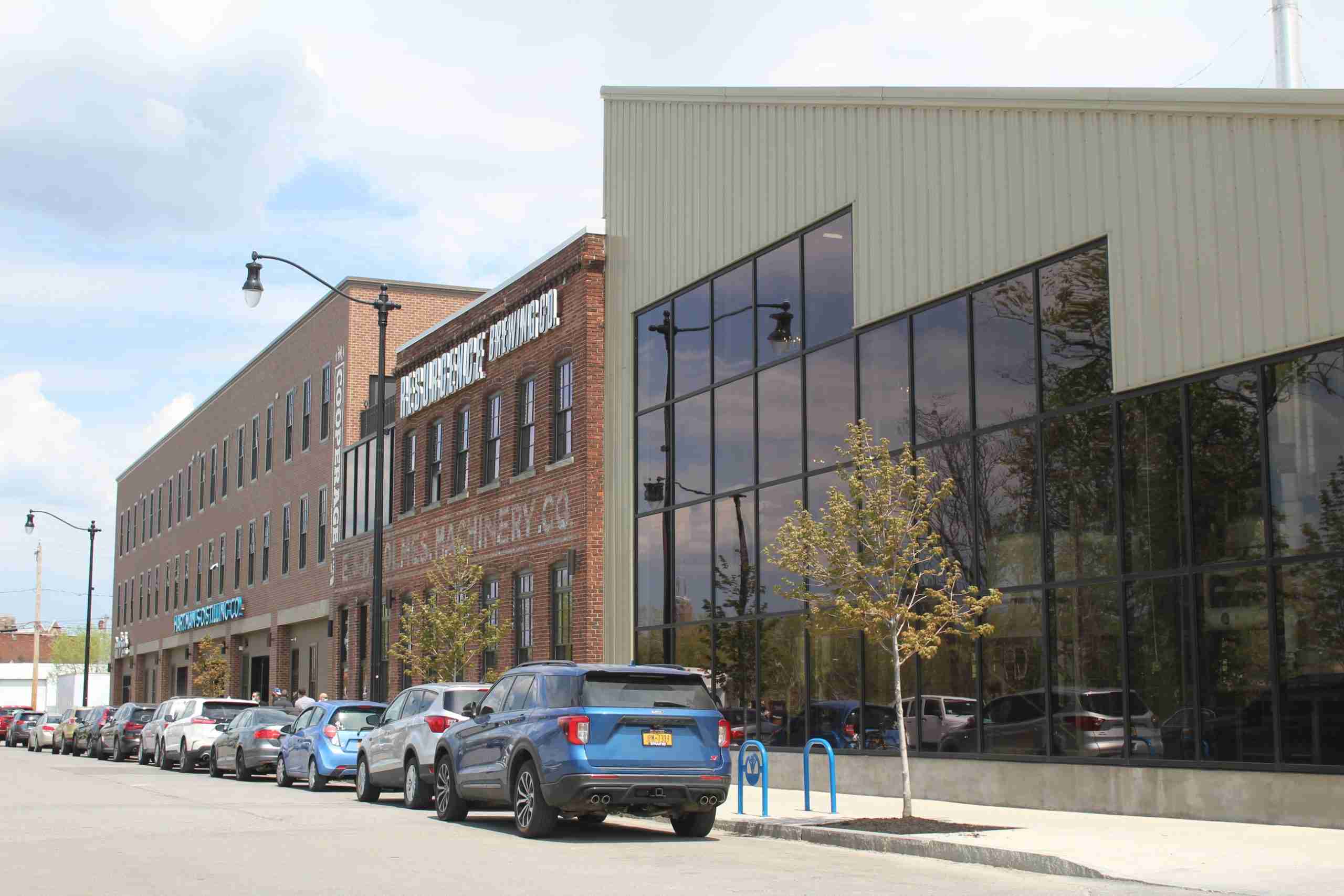
A flex building is the most unpredictable roof we work on. The same shell that started life as a single warehouse tenant in the Lockwood industrial area gets carved into three or four bays, leased to a welding shop, a distribution outfit, and a small fabricator, and every one of them puts something new on the roof. We see flex space throughout the Billings industrial market — along the Old Hardin Road and South Frontage corridors, in the buildings clustered south of Montana Avenue near the rail spurs, and in the newer multi-bay product going up off Shiloh Road as that side of town keeps absorbing light-industrial demand. The building envelope rarely changes. What's bolted to the roof changes constantly.
The penetration count is the whole story
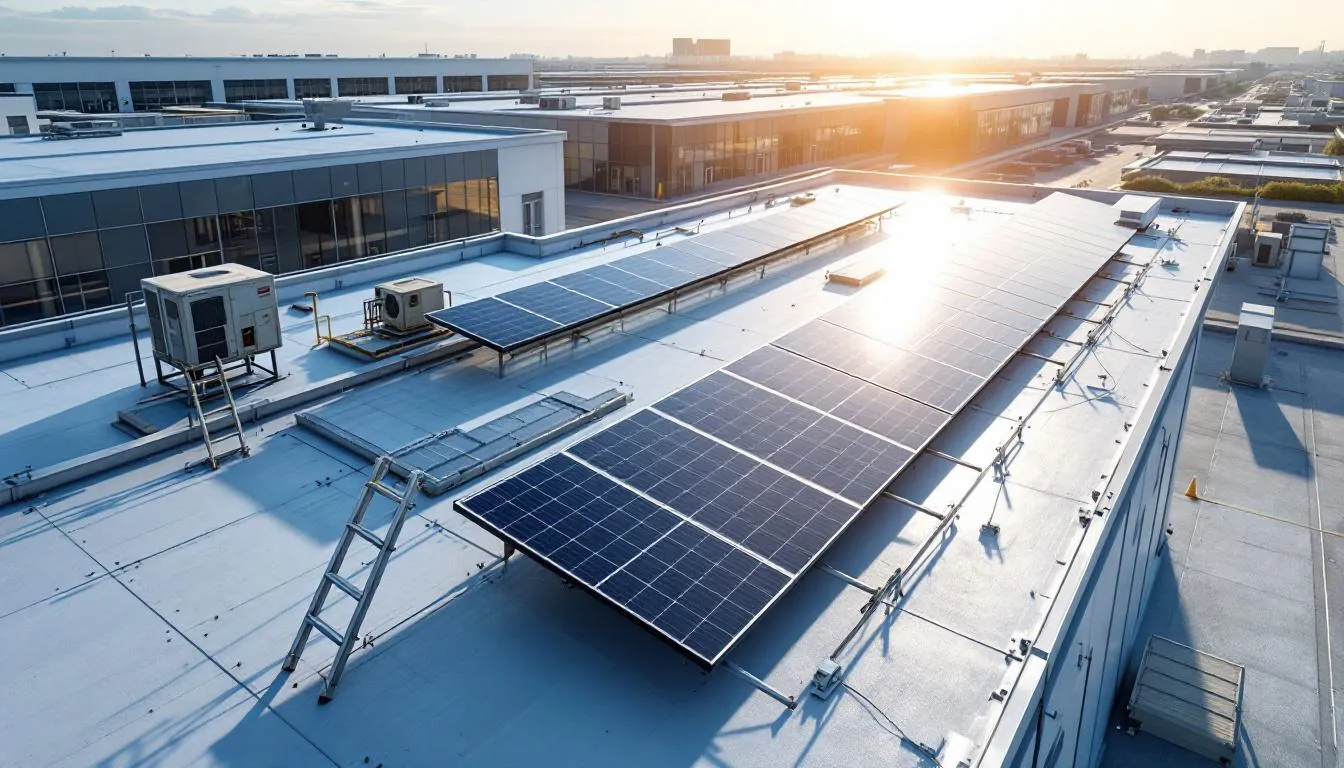
Single-tenant warehouse roofs are simple: a handful of curbs, a few drains, clean field membrane in between. Multi-tenant flex is the opposite. Each tenant improvement adds a rooftop unit, a new exhaust fan, a refrigerant line set, an electrical mast, sometimes a make-up air unit if a tenant runs a paint booth or a kitchen. Over fifteen years a flex roof can pick up two or three times the penetrations the original drawings show, and almost none of it is documented anywhere the current owner can find.
That's why we don't quote a flex reroof off a square-footage number and a satellite photo. We walk the roof and build a penetration map first — every curb, pipe boot, drain, and abandoned opening photographed and located. Abandoned penetrations are the ones that bite. When a tenant leaves and pulls their rooftop unit, the curb opening often gets a sheet of plywood and a tarp that nobody comes back for. By the second or third rain that opening is feeding water straight into the deck below a bay that may now belong to a different tenant entirely.
What we look for before pricing anything
- Curbs with no unit on them, and how those openings were closed
- Pipe boots that have split or pulled loose from a decade of thermal movement
- Drains and scuppers choked with debris in the vacant bays, where nobody's been on the roof in a while
- Tenant-added penetrations that were field-sealed with caulk instead of properly flashed
- Soft spots in the deck under chronically wet areas, found by core sample
Two very different buildings under one category
Flex space in Billings splits roughly into two construction types, and they get completely different specifications. Older tilt-wall and block buildings carry low-slope membrane over steel or concrete deck — often a tired built-up or ballasted assembly that's near the end of its life. For those we usually spec a 60-mil TPO mechanically attached over new polyiso, with tapered insulation where decades of ponding have flattened out the original slope. If a tenant mix runs heavy on rooftop foot traffic from HVAC service calls, we'll move up to 80-mil or add walkway pad to protect the field.
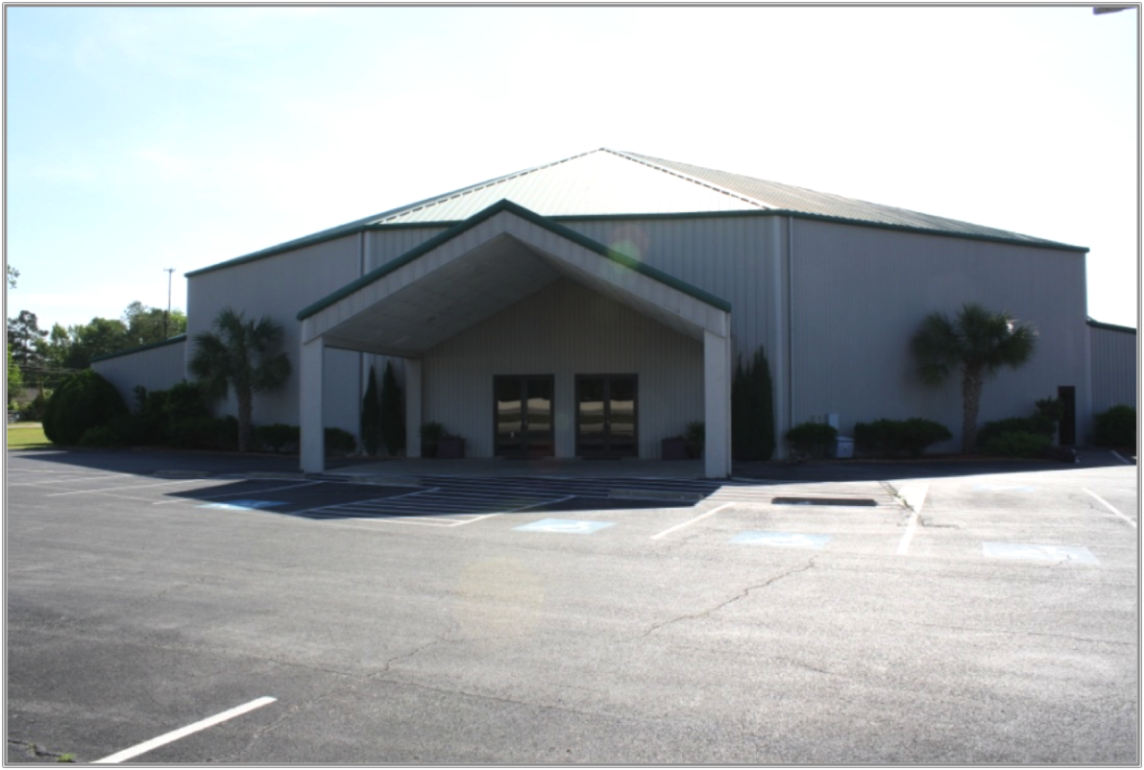
The newer product is pre-engineered metal building — standing seam or R-panel over purlins. Those don't always need a tear-off. Depending on panel condition and how much the purlins can carry, a silicone restoration coating or a retrofit standing-seam recover can buy a long extension without sending the old steel to the scrapyard. We evaluate both paths honestly; a coating isn't right for a panel that's already perforated, and a recover isn't right if the structure can't take the added load.
Coordinating around tenants who don't share a schedule
The hardest part of a flex reroof usually isn't the roofing. It's that the welding shop opens at six, the distributor runs trucks midday, and one bay sits empty. We build the sequencing plan off a bay-by-bay occupancy map from property management, and we route all tenant communication through the property manager rather than letting crews field questions at the dock door. Active rooftop units get shutdown windows scheduled in advance. Vacant bays become the staging and starting point because there's no occupant to disrupt. Every section gets dried in watertight before the crew leaves for the day — on a building with paying tenants underneath, that's not negotiable.
Working with owners and investors
Most flex space in Billings is held by investors and managed by a property management company, not occupied by the owner. That changes what's useful to them. We price per roof square off an actual roof walk and core where the assembly is in question, and we deliver a standardized condition report that an owner holding several flex buildings can drop straight into a capital plan. When a building changes hands or a tenant rolls over, we'll do a transition inspection that confirms curb caps are intact, former-tenant penetrations are sealed, and the drains are clear before the new lease starts and the problem becomes someone's emergency.
Common questions
How do you handle undocumented tenant penetrations?
We photograph and map every penetration during the pre-project survey and compare it against the original drawings when they exist. Anything non-standard or improperly sealed gets called out and remediated before new membrane goes down, so it doesn't turn into a warranty fight later.
What membrane is right for a multi-tenant flex roof?
For tilt-wall and concrete decks, 60-mil TPO mechanically attached over tapered polyiso is the workhorse. Where rooftop traffic or equipment density is high, we step up to 80-mil TPO or 60-mil PVC fully adhered for the added puncture and traffic resistance.
Can you reroof without shutting every tenant down?
Yes. We sequence the work bay by bay off an occupancy map, schedule shutdowns only where a tenant has active rooftop equipment, and dry in each section before the end of every work day.
Do you work on the metal-building flex product too?
We do. Standing seam and R-panel roofs get evaluated for coating or retrofit recover against full replacement, based on panel condition, purlin spacing, and load capacity. We install all three approaches in the Billings area.