The roof has to outlive the panels, not the other way around
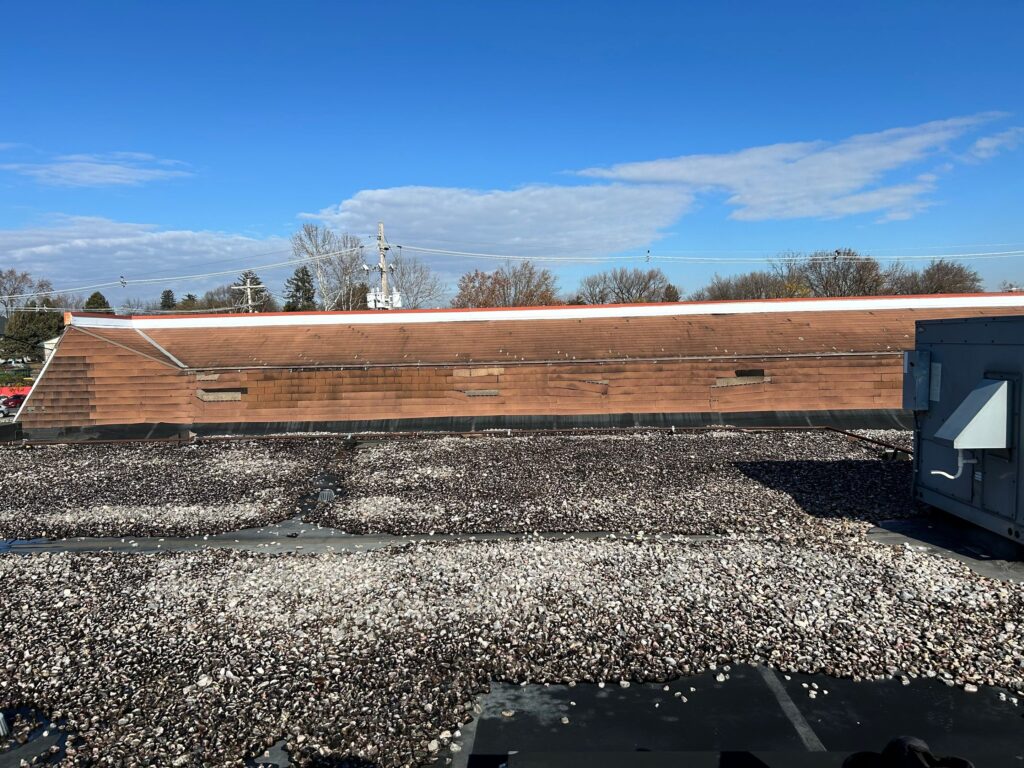
Most building owners come to us with the solar already decided. The system size is set, the installer is picked, and we are asked to bless the roof so the array can go up. The question we ask back is simple: how many years are left on the membrane underneath it? A photovoltaic system is built to generate for twenty-five years or more. If the roof on a warehouse off Holiday Avenue has six or seven years left, mounting an array on it now guarantees a second, far more expensive job later, when crews have to detach every panel, lift the racking, reroof, and reset the entire system. We assess the deck first. We core the assembly to read the insulation and confirm what is fastened to what, scan for moisture, and hand you an honest remaining-life figure. That number, not the panel datasheet, decides whether you build solar today or reroof first.
What is actually driving rooftop solar around Billings
The interest we field in Billings is concentrated where the big, clean low-slope decks are. Distribution and light-industrial buildings out toward the Lockwood interchange and along the rail spurs carry heavy daytime electrical loads from refrigeration, compressors, and lighting, which is exactly the load profile rooftop PV offsets best. The retail and warehouse boxes on the West End near Shiloh Road and Zoo Drive have wide, obstruction-free roofs that suit ballasted arrays. Owners along the Montana Avenue rail corridor downtown ask about it too, though their older masonry buildings usually need a structural look before anything heavy goes up. The economics get moving when NorthWestern Energy net-metering and the federal solar tax credit line up, and the high-plains elevation here means strong irradiance and real production once a system is sized right. None of that changes the order of operations: the roof comes first.
Penetrations, ballast, and how the array actually holds down
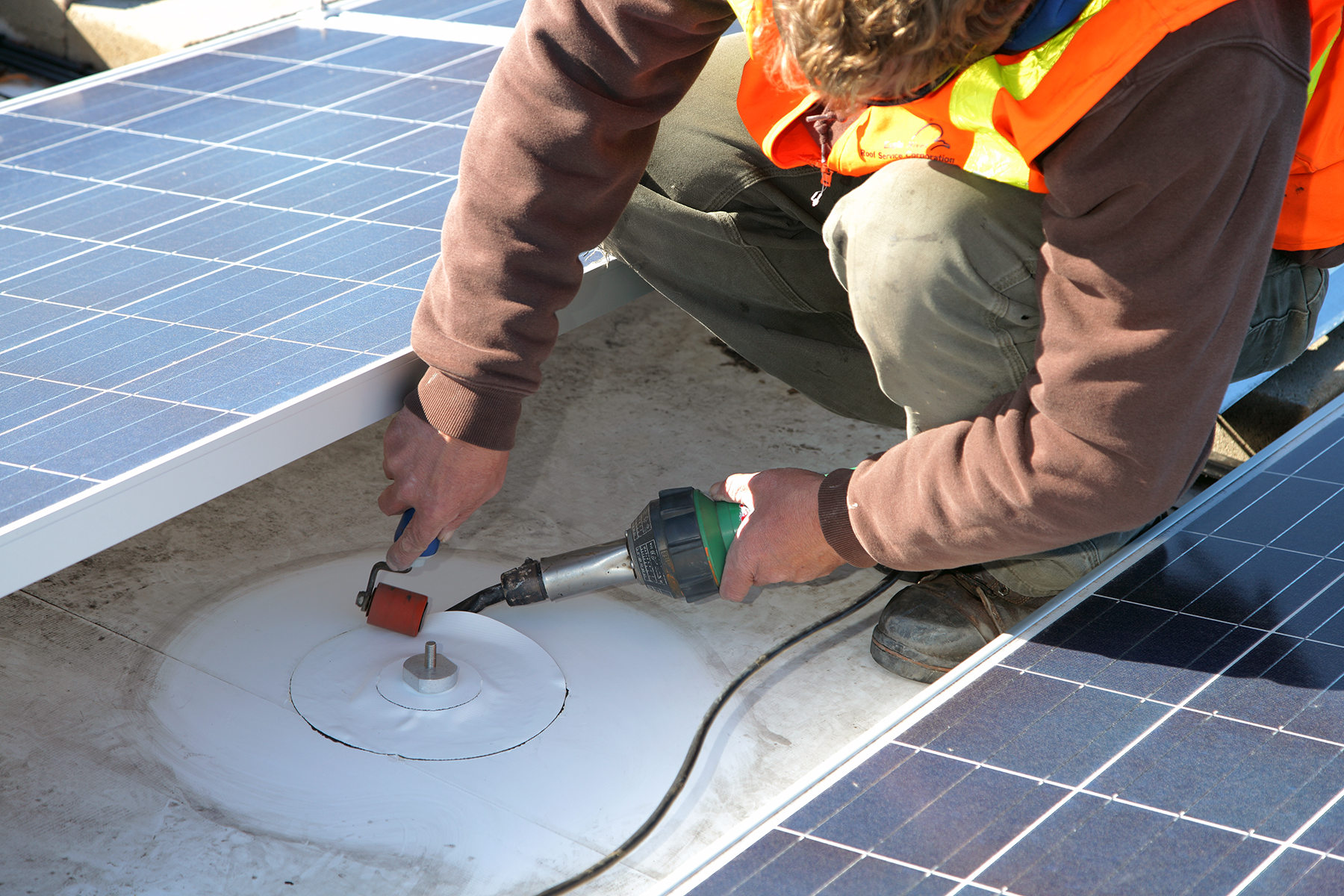
An array attaches to a flat roof one of two ways, and each is a roofing decision before it is an electrical one. Ballasted racking holds the system in place with concrete blocks or pavers and never punctures the membrane, which sounds ideal until you weigh it. That ballast can add several pounds per square foot across the whole field, and plenty of older Billings buildings were never framed to carry it. Mechanically attached racking bolts through the membrane at regular intervals, and every one of those penetrations is a future leak unless it is flashed to the membrane manufacturer's published detail and tied into the warranted system. We do not let the solar crew set their own pitch pockets and walk away. We flash each stanchion and conduit penetration ourselves, with proper curbs and welded or adhered target patches that match the existing membrane, so the holes the array needs do not become the leaks you call us about in two winters.
Wind uplift where the plains meet the foothills
Billings sits where open prairie runs up against the Rimrocks, and the wind here is not an afterthought. A tilted panel behaves like a small wing: at ten or fifteen degrees it catches wind and generates lift, and the uplift pressures spike at the roof perimeter and corners. The racking has to be engineered for the actual wind zone, with extra ballast or denser attachment in those edge and corner regions where pressure concentrates. Skip that math and the first hard chinook or downslope gust can slide an array, drag ballast blocks across the membrane, and shred the surface. We coordinate the structural and uplift calculations with the racking supplier and confirm the roof can carry both the dead load and the wind load before a single block is staged.
Choosing a membrane built to live under solar
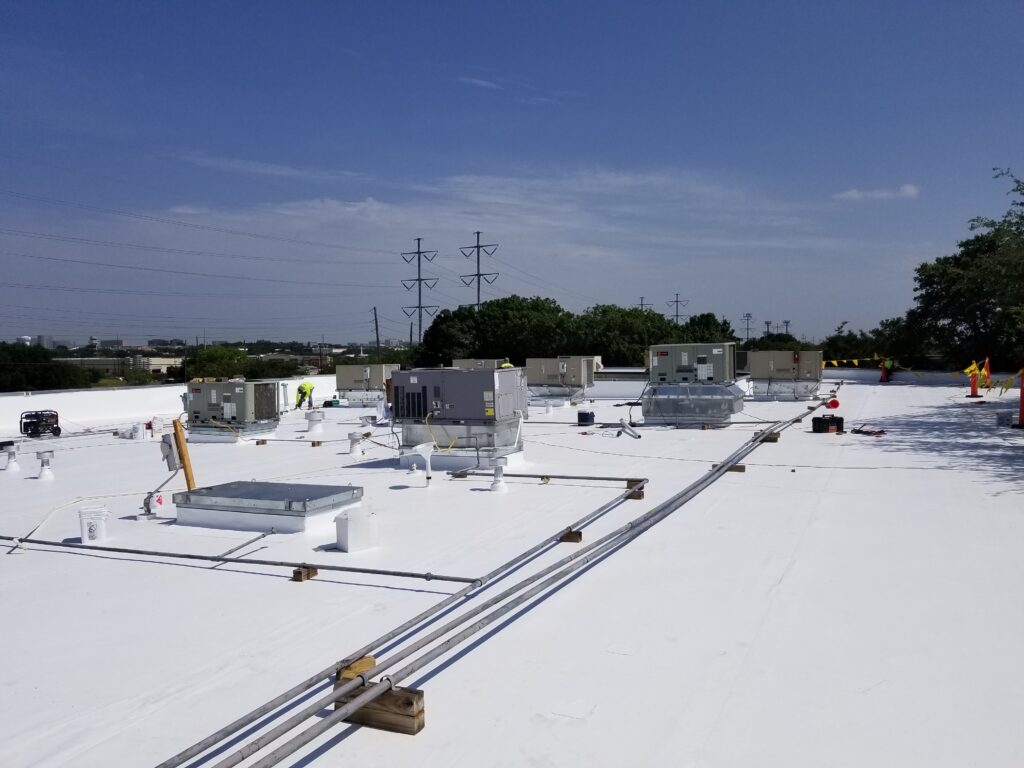
Not every roof surface belongs beneath an array. For solar-ready roofs in Billings we generally specify a reflective white TPO or PVC at 60-mil or heavier, and there are two reasons. A light surface runs cooler, and cooler modules produce more power across a long, bright high-plains summer. Just as important, TPO and PVC stand up to the install traffic and equipment far better than an aged ballasted EPDM or a brittle older membrane. Where ballast weight is a concern, a fully adhered system spreads the load without adding penetrations at all. We match the membrane to the mounting method and the building's structure rather than forcing one product onto every roof, and we lay in walkway pads along the service routes so the next twenty-five years of panel washing and inverter checks do not wear a path through the field.
Getting the roofer and the solar installer in the right order
The most common cause of a leaking solar roof is not a bad panel or a bad membrane. It is two trades working out of sequence. The roof has to go down and pass inspection before any racking lands on it. The conduit run from the array to the building's electrical service has to be planned with us first, because conduit strapped flat to a membrane abrades it, and a conduit penetration sealed with a generic rubber boot instead of a real through-roof detail turns into a chronic leak within a few seasons. We sit down with the solar contractor during preconstruction, map every penetration and conduit route on the roof plan, settle who flashes what, and lock the inspection sequence. We do not sell or install solar systems, so our only interest in the project is a roof that stays dry under someone else's hardware.
Keeping both warranties intact
The major single-ply manufacturers will hold a membrane warranty in force under a rooftop array, but only when their conditions are met: approved ballast pads, approved walkway protection on the traffic paths, approved penetration details, and a preinstallation review by their warranty representative. We manage that review so the solar scope does not quietly void the roof warranty you paid for. On the other side, the installer's production guarantee depends on the array staying anchored and the building staying dry. When both trades sign off on the same coordinated scope, both warranties survive. You get one clear record of who owns the deck, who owns the flashings, and who owns the racking, so a future claim is a phone call rather than a finger-pointing match.
- Core sampling and moisture scanning of the existing assembly before any solar commitment
- Honest remaining-service-life number so you reroof now or never pay to detach and reset an array
- Structural and wind-uplift review for ballast weight and perimeter loads on open high-plains roofs
- Manufacturer-compliant penetration flashing and a single record of trade responsibility for both warranties
Where to begin
If solar is on the capital plan for a building anywhere from the Heights to Lockwood to the West End retail strip, start with the roof and not the panels. We will assess the membrane, tell you plainly whether it can carry an array for the system's full life, and lay out whether to reroof first or fold the roof into one coordinated solar project. Call us before you sign the solar contract, and we will make sure what is up there is ready to hold what is going on it.