RightNow Technologies and the energy equipment fabricators operating in Billings, Montana's industrial corridor present some of the most challenging roofing environments in the Northern Plains. The Billings industrial district, rooted in refineries, agricultural equipment manufacturers, and the fabrication shops that supply the Bakken oil fields to the northeast, demands roof systems engineered for extreme temperature swings, heavy snow loads, and chemical exposure that would overwhelm systems specified for milder climates. Contractors serving these facilities must think simultaneously about summer heat exceeding 100°F and winter cold that regularly drops below minus 20°F, all while accommodating the specific fume and chemical environments of each facility.
Agricultural equipment manufacturing is one of Billings' core industrial sectors, and the large fabrication buildings used to produce combines, irrigation systems, and tillage equipment generate roofing challenges tied to both the manufacturing process and the sheer scale of the structures. Welding bays produce particulate and chemical fumes that accumulate on roof surfaces and inside ventilation systems, degrading standard roofing compounds faster than ambient conditions alone would predict. Billings contractors experienced in agricultural equipment plants test roof membrane samples for chemical resistance to welding flux residue and cutting oil mist before specifying products for these environments.
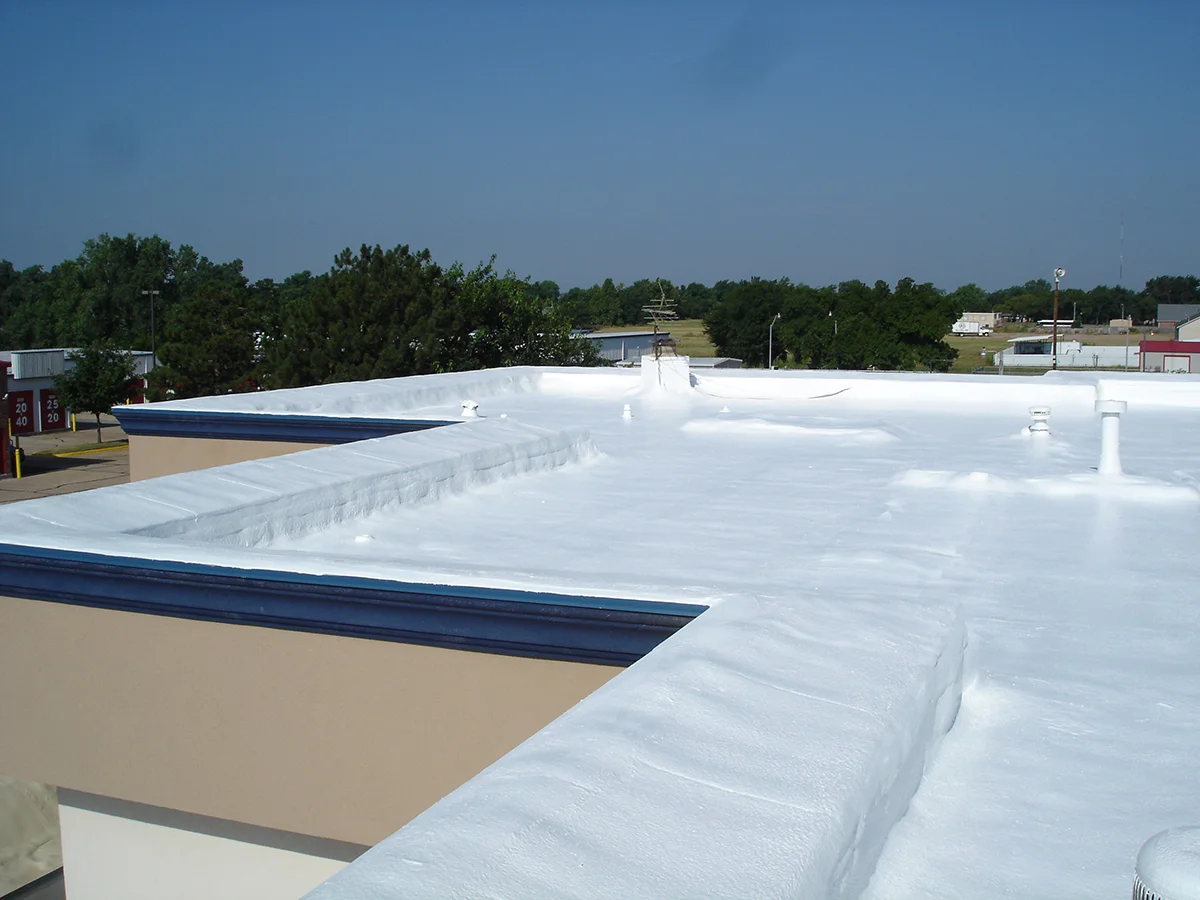
The temperature differential between Billings summers and winters creates a thermal cycling challenge that is more severe than almost anywhere else in the Mountain West. Roofing membranes expand and contract through a range of 130°F or more between peak summer and deep winter, placing enormous stress on seams, flashings, and penetration details. Contractors in this market favor fully-adhered single-ply systems over mechanically attached alternatives for manufacturing applications because the adhered approach eliminates the localized stress concentration that develops at fastener points during thermal cycling, which can cause membrane fatigue cracking within five to ten years in Billings' climate.
Snow load management is a critical structural and roofing consideration for manufacturing buildings in Billings. The Rimrocks area and the valley floor both receive significant snowfall, and large-span manufacturing buildings with low-pitch roofs can accumulate loads that approach design limits during major winter storms. Proper roof drainage design — including heated drain pipes, tapered insulation for positive slope, and ice dam prevention measures at eaves and parapets — is essential for preventing standing water that becomes standing ice and then structural overload. Facilities managers in Billings who invest in drainage upgrades during re-roofing projects report dramatically fewer emergency service calls during winter months.
Process equipment on manufacturing roofs in the Billings industrial corridor tends to be large and heavy. Chillers, ventilation units, and process exhaust stacks serving fabrication facilities are typically larger than the equipment found on commercial office buildings, and their concentrated loads require structural evaluation before any new rooftop equipment is installed or any re-roofing project changes the load characteristics of the deck. Billings contractors with manufacturing experience maintain working relationships with structural engineers who specialize in existing building assessment and can turn around equipment-loading evaluations on reasonable timelines without forcing extended project delays.
Petroleum refinery proximity is a unique factor in the Billings manufacturing district. The ExxonMobil and CHS refineries in the area emit trace hydrocarbon compounds that settle on exposed roofing surfaces over time. While the concentrations are generally below levels that cause acute membrane degradation, the cumulative effect over a 20-year roof lifespan is measurable. Roofing products specified for facilities near the refineries should have documented petroleum-resistance ratings, and coating programs should be scheduled on a shorter interval — every five years rather than every seven — to maintain barrier performance before degradation progresses.
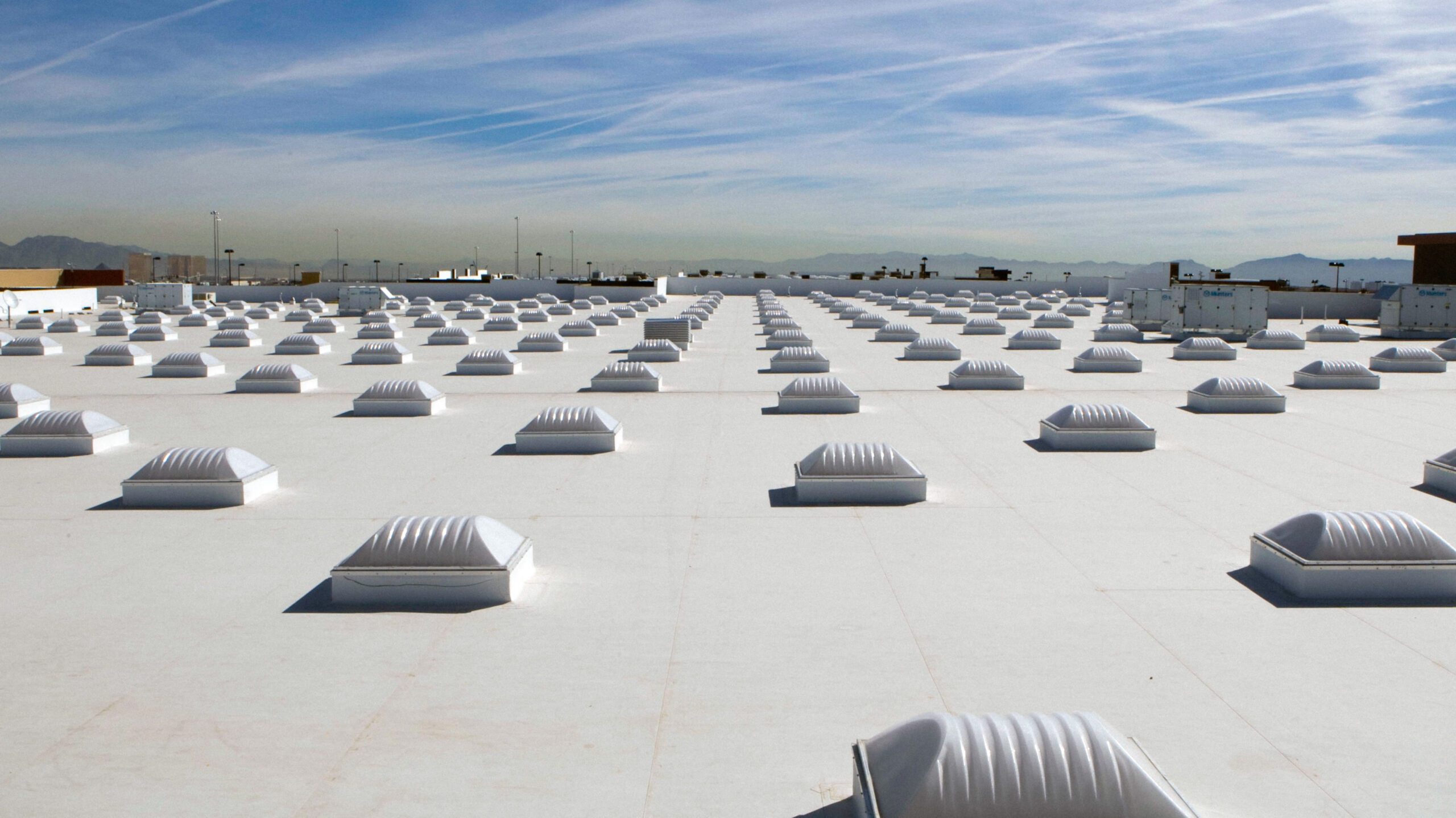
Daylight harvesting through skylights and translucent roof panels is economically important for manufacturing buildings in Billings because electricity costs in Montana, while historically moderate, have risen substantially in recent years. Large fabrication buildings with 40-foot clear heights benefit enormously from natural light at production levels, but the skylight installations serving these buildings must be robust enough to handle Montana hail — which regularly includes golf-ball-sized stones — and snow loads that can persist for weeks. Impact-resistant polycarbonate panels rated for Montana's hail exposure have become the standard specification for new skylight installations at Billings manufacturing facilities.
Coordination with manufacturing facility production schedules in Billings presents specific challenges related to seasonal production peaks. Agricultural equipment manufacturers typically operate at maximum capacity in late winter and early spring to meet pre-season demand, and oil field equipment fabricators intensify production during periods of high crude prices. Roofing contractors must work with facility schedulers far in advance — often 12 to 18 months ahead — to identify roofing windows that do not conflict with peak production periods. Summer months provide the best roofing weather and often align with slower production periods, making June through August the most productive window for major roofing projects.
Long-term asset management for manufacturing roofs in Billings is complicated by the relatively small pool of specialized commercial roofing contractors available in the market. Facility managers who rely on a single contractor without backup relationships can face months-long delays for emergency service when that contractor is at capacity. Establishing relationships with two or three qualified contractors — and maintaining detailed roof documentation that any of them can use — is a risk management strategy that experienced facility managers in Billings treat as essential rather than optional.
- What roofing system handles Billings' extreme temperature swings best for manufacturing buildings?
- Fully adhered TPO or EPDM single-ply systems perform best in Billings' climate because the adhesive bond distributes thermal movement stress across the entire membrane rather than concentrating it at fastener points. Seam quality is critical, and manufacturers' technical representatives should inspect seams on large projects before the warranty is issued.
- How much snow load capacity should a manufacturing building roof have in Billings?
- Montana's building code sets ground snow loads for Billings at 30 psf, but actual roof design loads depend on building geometry, roof pitch, and drift accumulation potential. Manufacturing buildings with large unobstructed roof planes should be engineered by a licensed Montana structural engineer who can account for local drift patterns and the facility's specific operational conditions.
- Are there specific roofing products approved for use near Billings' petroleum refineries?
- No specific regulatory approval process governs roofing product selection near refineries, but contractors serving refinery-adjacent facilities should specify products with documented hydrocarbon resistance. EPDM membranes generally outperform TPO in petroleum-exposed environments, and coating programs should be reviewed by the membrane manufacturer's technical team before application.
- How should agricultural equipment manufacturers in Billings budget for roof replacement?
- A capital reserve of $8 to $14 per square foot is a reasonable planning figure for full roof replacement on large manufacturing buildings in Billings, accounting for insulation upgrades, deck repair, and code-compliant details. A current roof condition survey is the only reliable basis for a project-specific budget, and it should be conducted at least three years before the anticipated replacement date to allow adequate lead time for contractor selection and financing.
- What preventive maintenance is most important for manufacturing roofs in Montana's climate?
- Drain clearing before the fall freeze is the single most impactful maintenance task for Montana manufacturing roofs. Blocked drains allow water to pond, freeze, and create ice loads that can exceed structural limits. A twice-yearly inspection that includes drain cleaning, seam and flashing inspection, and penetration resealing will extend membrane life by four to six years compared to a no-maintenance approach.