Billings, Montana's civic infrastructure spans a range of building types that each present distinct roofing challenges shaped by the Yellowstone Valley's extreme climate swings. The Billings City Hall, the Yellowstone County Courthouse on North 27th Street, the central public library, and dozens of fire stations and police substations scattered across the city all require roofing systems engineered to handle conditions that few other regions in the lower 48 can match. Snow loads that accumulate rapidly during February blizzards, temperature differentials of 70 degrees or more between a July afternoon and a January night, and wind events that routinely reach 50 miles per hour make Billings municipal roofing a specialized discipline.
Yellowstone County and the City of Billings both follow Montana's public procurement statutes when contracting for roofing work. Projects above the statutory threshold require competitive sealed bids or requests for proposals, with all solicitations posted on the Montana Procurement Portal. Public bid openings are conducted at the issuing agency's offices, and bid results become a matter of public record. Contractors seeking to establish themselves in Billings' government roofing market should monitor the portal consistently, as project cycles do not always align with calendar year budgeting, and a significant contract can emerge mid-year when federal or state pass-through funding is released.
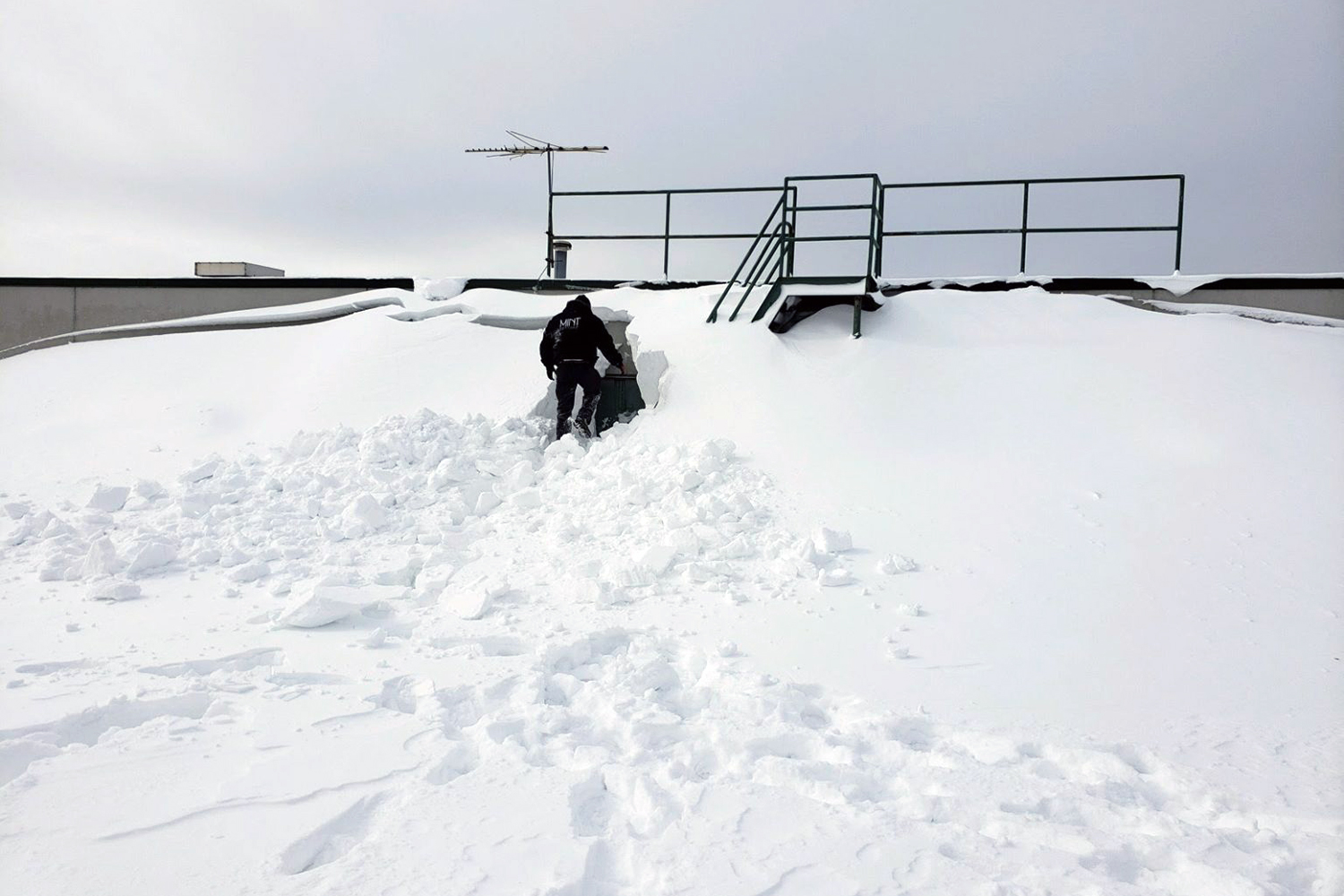
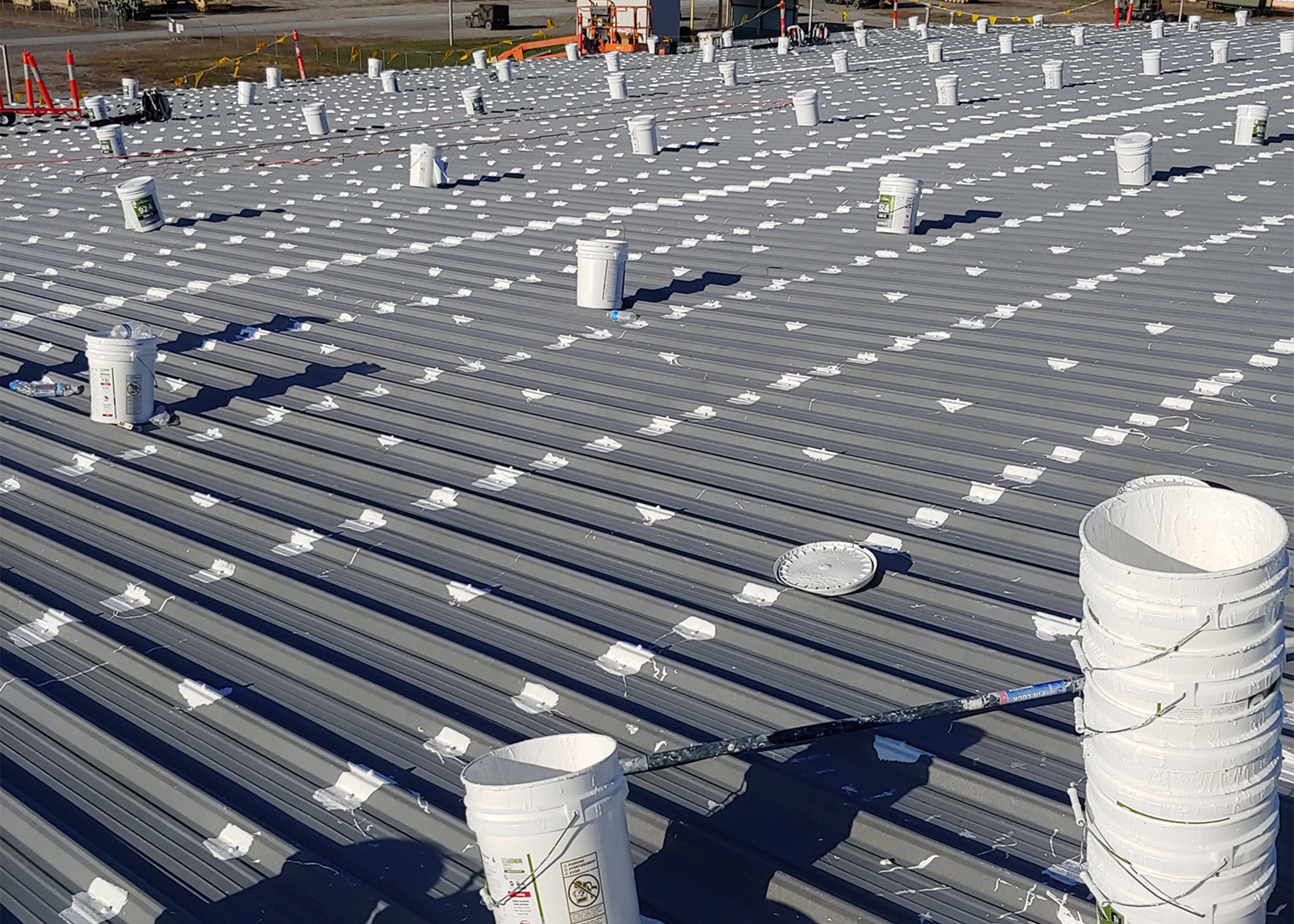
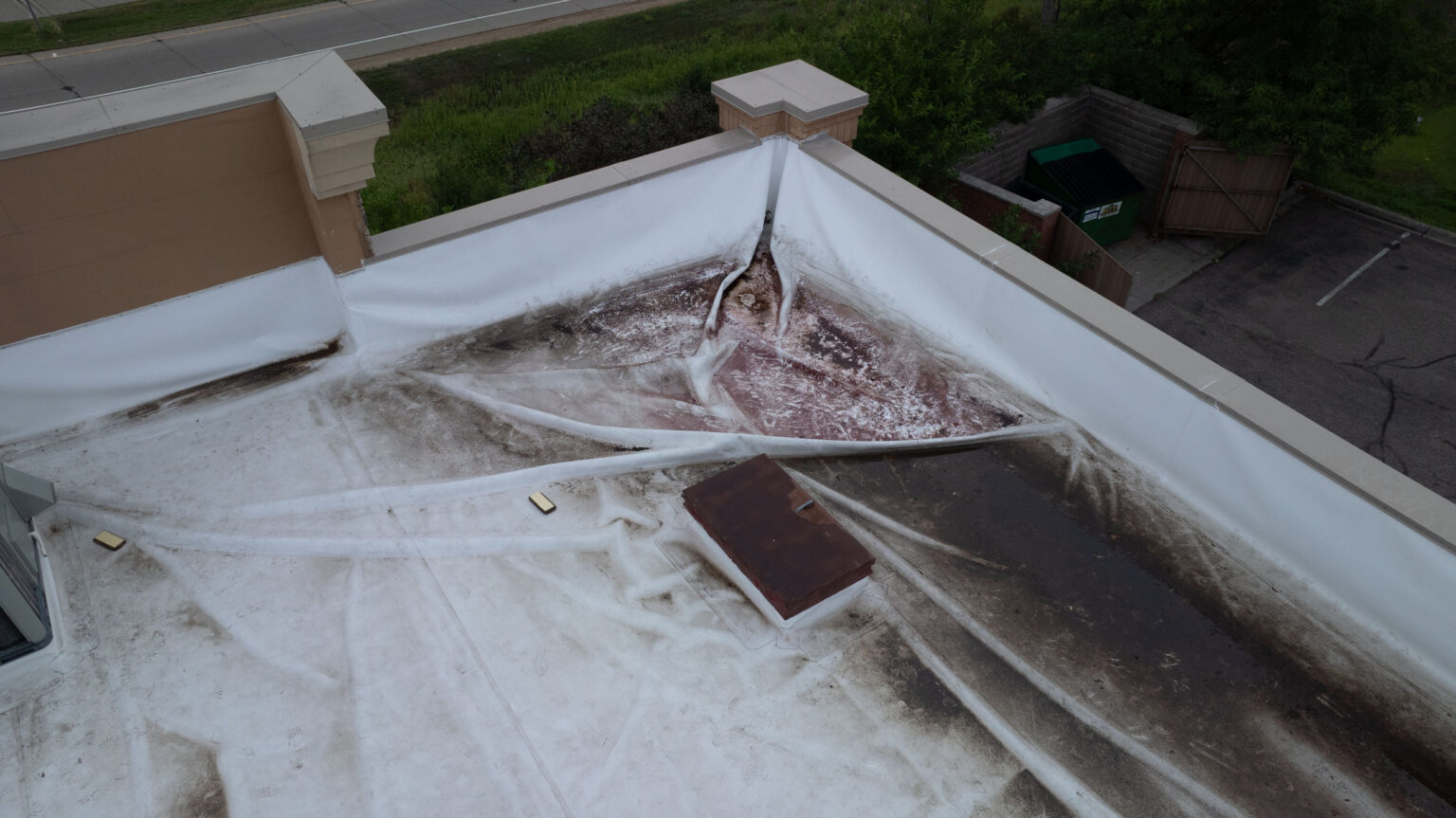
Snow load engineering is the single most consequential technical factor in Billings municipal roofing specifications. The city sits in a region where the ground snow load for structural design purposes is significant, and rooftop accumulations on flat or low-slope systems can exceed structural limits during consecutive snowfall events. Specification writers for city and county facilities routinely require tapered insulation systems that create positive drainage slopes, eliminating ponding water that freezes overnight and compounds load. Metal roofing systems, particularly standing seam steel, are common on Billings' newer public facilities because they shed snow efficiently and perform well under the thermal cycling the city's climate demands.
The Billings Fire Department's facilities present specific operational constraints that roofing contractors must plan around. Station closures for roofing work are not feasible given emergency response obligations, which means staging, material delivery, and active work must be sequenced to leave apparatus bays and egress routes clear at all times. Crew quarters roofing replacements typically proceed in sections, with temporary weatherproofing installed at the end of each work day to maintain interior protection. Project superintendents on fire station contracts need to maintain direct communication with the station captain throughout the project.
Several of Billings' older civic structures qualify for consideration under Montana's state historic preservation program administered through the State Historic Preservation Office. The Yellowstone County Courthouse, constructed in the early twentieth century, has architectural features including decorative cornices and original copper flashing details that preservation standards require be maintained or replicated in kind. Before a roofing replacement project on a listed or eligible structure moves to bid, the project designer must consult with the SHPO and document that the proposed approach will not adversely affect the building's historic integrity. This consultation adds time and design cost but protects the agency from post-completion compliance issues.
Federal funding plays a substantial role in Billings' public facilities capital budget. FEMA hazard mitigation grants, USDA rural infrastructure programs that extend to Yellowstone County, and HUD Community Development Block Grants all flow through local government channels. When any of these funding streams is present in a roofing project's financing, Davis-Bacon Act prevailing wage schedules apply, and the contractor's certified payroll documentation must be submitted weekly. Montana's own prevailing wage law, administered by the Montana Department of Labor and Industry, applies to publicly funded construction projects regardless of federal involvement, and wage rates are updated periodically.
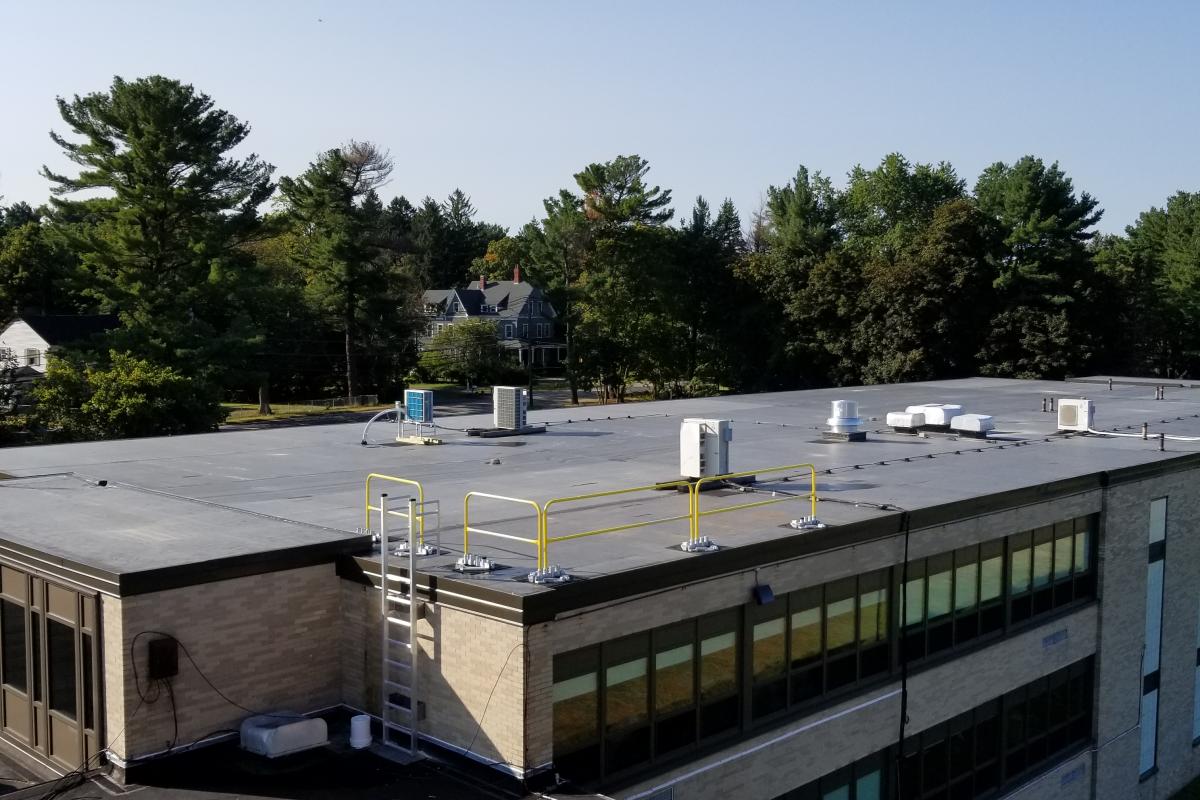
Energy performance has become a priority in Billings' public facilities planning, driven both by the city's operating budget pressures and by the Montana Department of Environmental Quality's energy efficiency programs. For a cold climate like Billings, roofing energy performance centers on thermal resistance rather than solar reflectance. Agencies are specifying higher R-value continuous insulation assemblies, air barrier systems that reduce infiltration through roof penetrations, and in some cases photovoltaic-ready roof systems with ballasted mounting provisions integrated into the roofing specification. These requirements are increasingly appearing in the prescriptive sections of publicly bid roofing documents rather than as optional alternates.
Bonding and insurance requirements on Billings public roofing contracts reflect the risk management priorities of both city and county governments. Performance and payment bonds equal to the full contract amount are standard, and surety companies must be approved under Treasury circular 570. General liability coverage of at least two million dollars per occurrence is typical, and workers' compensation coverage must meet Montana statutory minimums. Contractors who have not worked in Montana previously should verify that their insurance certificates are acceptable to the issuing agency before bid submission, as non-compliant certificates are grounds for immediate disqualification.
Long-term warranty obligations are taken seriously by Billings' public agencies, which are accountable to taxpayers for the useful life of capital expenditures. Membrane system warranties of fifteen to twenty years, with the city or county named as additional insured, are common in current specifications. Contractors should review warranty exclusions carefully before bidding; many manufacturer warranties are voided by installation in climates with ground snow loads above certain thresholds unless the installer is certified by the manufacturer and the system is installed according to climate-specific details. Maintaining manufacturer certification and providing it with the bid package strengthens a proposal and reduces warranty dispute risk after project completion.
- What snow load requirements apply to roofing on Billings municipal buildings?
- Billings falls within a snow load zone that requires structural roofing designs accounting for substantial ground snow accumulation. Specifications for city and county facilities typically require tapered insulation to achieve positive drainage and prevent ice damming, and many new public buildings specify metal roofing for its snow-shedding performance. Contractors should confirm the design snow load in project documents before submitting pricing.
- Does Montana's prevailing wage law apply to City of Billings roofing contracts?
- Yes. Montana's Prevailing Wage Act applies to all publicly funded construction projects in the state, including roofing contracts let by the City of Billings and Yellowstone County. Wage rates are set by the Montana Department of Labor and Industry and vary by trade classification. Federal prevailing wage requirements under Davis-Bacon apply in addition when federal funding is present.
- How are Billings public roofing contracts advertised and bid?
- City of Billings and Yellowstone County roofing contracts are posted on the Montana Procurement Portal, which is the centralized state platform for public solicitations. Addenda and bid results are also published through this portal. Contractors should register on the portal and set up notifications for relevant project categories to avoid missing solicitations.
- What historic preservation review is required for the Yellowstone County Courthouse roof?
- The Yellowstone County Courthouse is a historically significant structure, and any roofing replacement requires consultation with the Montana State Historic Preservation Office before design is finalized. The SHPO review evaluates whether proposed materials and methods are consistent with the Secretary of the Interior's Standards for Rehabilitation. Early consultation during the design phase prevents costly redesigns after bid documents are completed.
- What bonding levels are typical for Billings municipal roofing projects?
- Both the City of Billings and Yellowstone County typically require performance and payment bonds at 100 percent of the contract value, issued by a Treasury-listed surety. A bid bond of five to ten percent is required at submission. Contractors new to Montana public work should confirm their surety is licensed and approved in Montana prior to pursuing solicitations.