The auditorium dictates everything above it
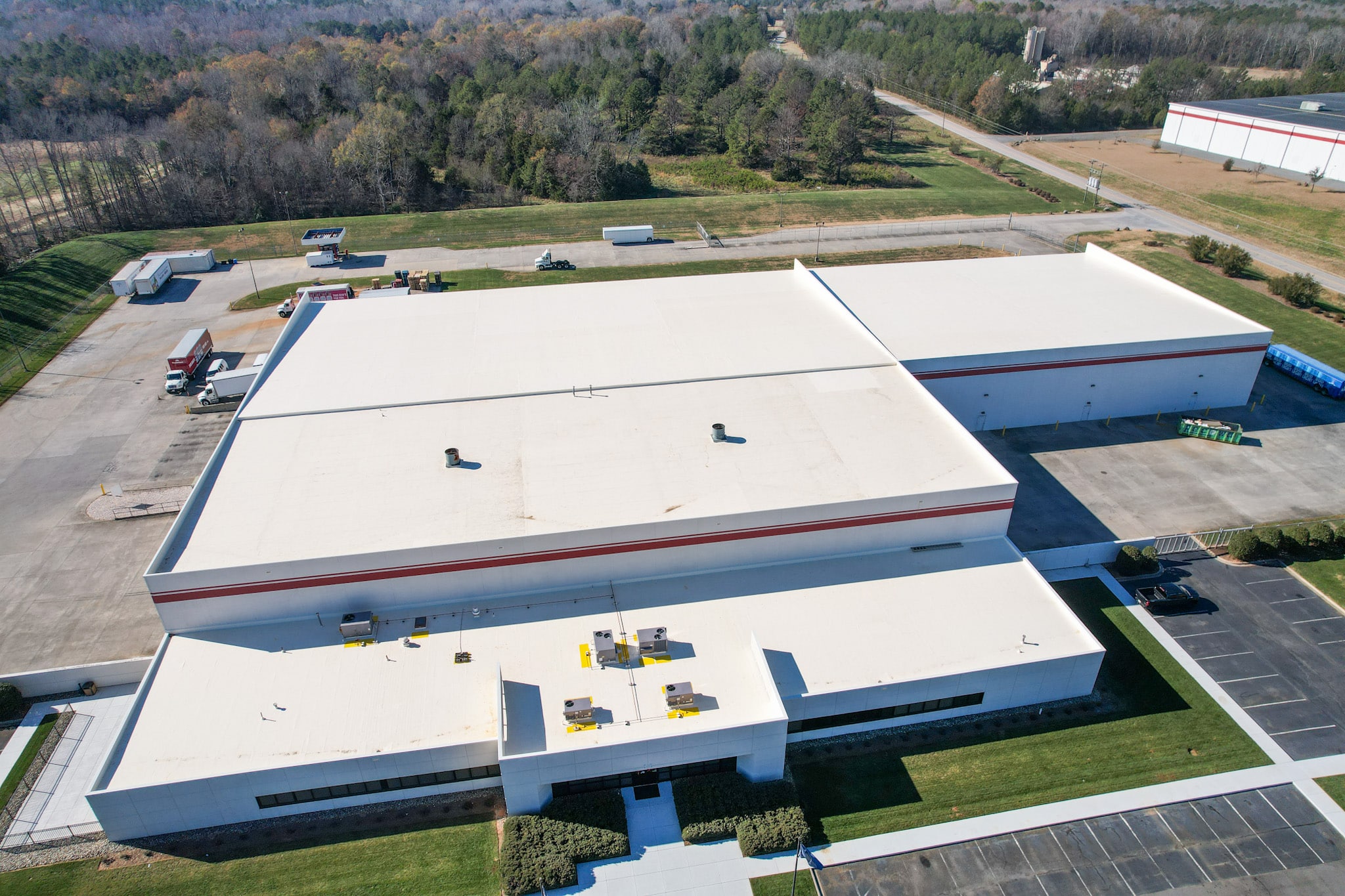
A cinema roof is shaped by what it has to cover: a row of large, dark rooms with stadium seating and no columns interrupting the sightlines. That means long clear spans — a multiplex with eight to twelve houses can run roof bays of 80 to 150 feet apiece. Those spans deflect and move in ways a stout retail roof never does, and the fastening and insulation attachment have to be drawn for the actual deck and span, not pulled off a strip-mall stock detail. We roof entertainment buildings across the Billings market, from the larger multiplexes near the West End shopping district off King Avenue and Shiloh Road to smaller and second-run houses around town.
Noise is a roofing problem here, not just an architectural one
People pay to sit in the dark and hear a soundtrack with no intrusion. That makes a cinema roof an acoustic assembly as much as a weather barrier. Rain drumming on a thin deck, an HVAC unit transmitting vibration through a poorly isolated curb, a fastening pattern that turns the deck into a sounding board — any of it can bleed into the house and ruin the experience. When we recover or replace a theater roof we pay attention to mass and to how the rooftop units are isolated at the curb, because the membrane and insulation buildup contributes to keeping the room quiet. It's a consideration most property types simply don't have.
A penetration cluster that rivals a hospital
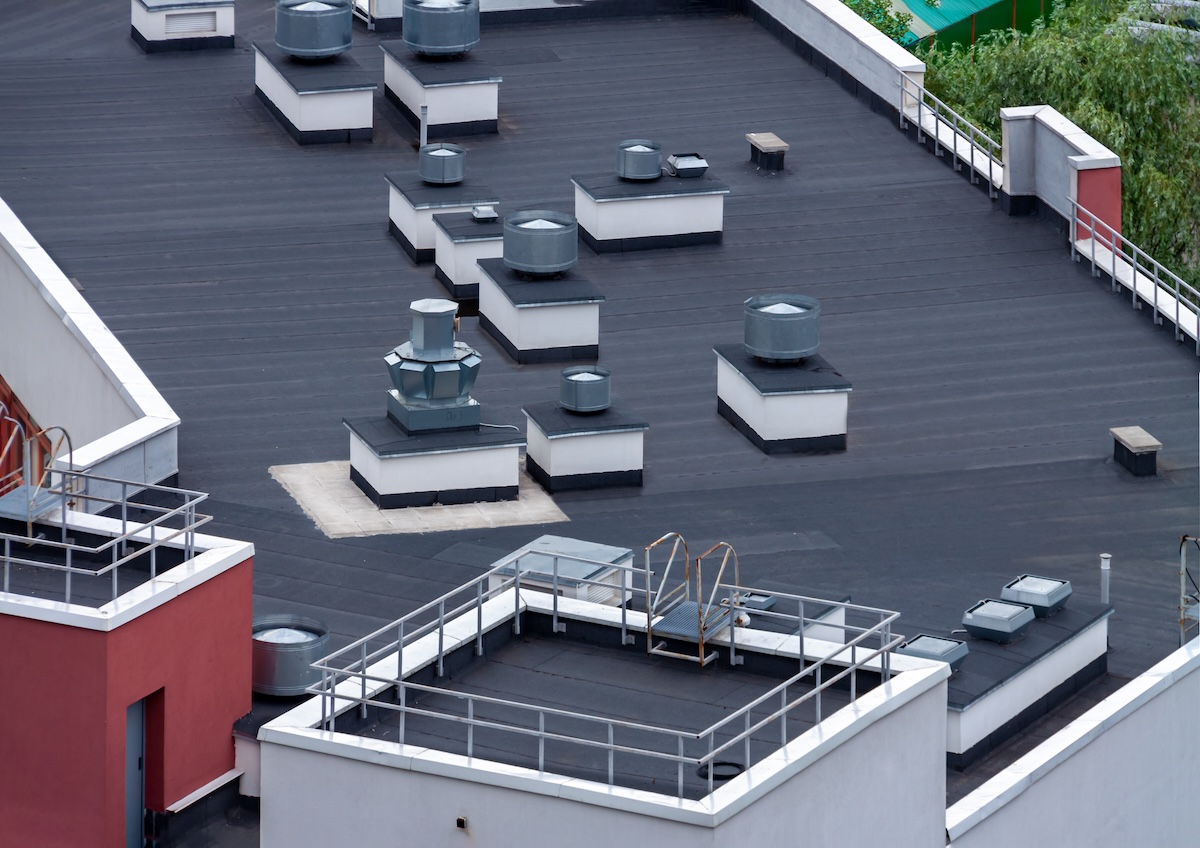
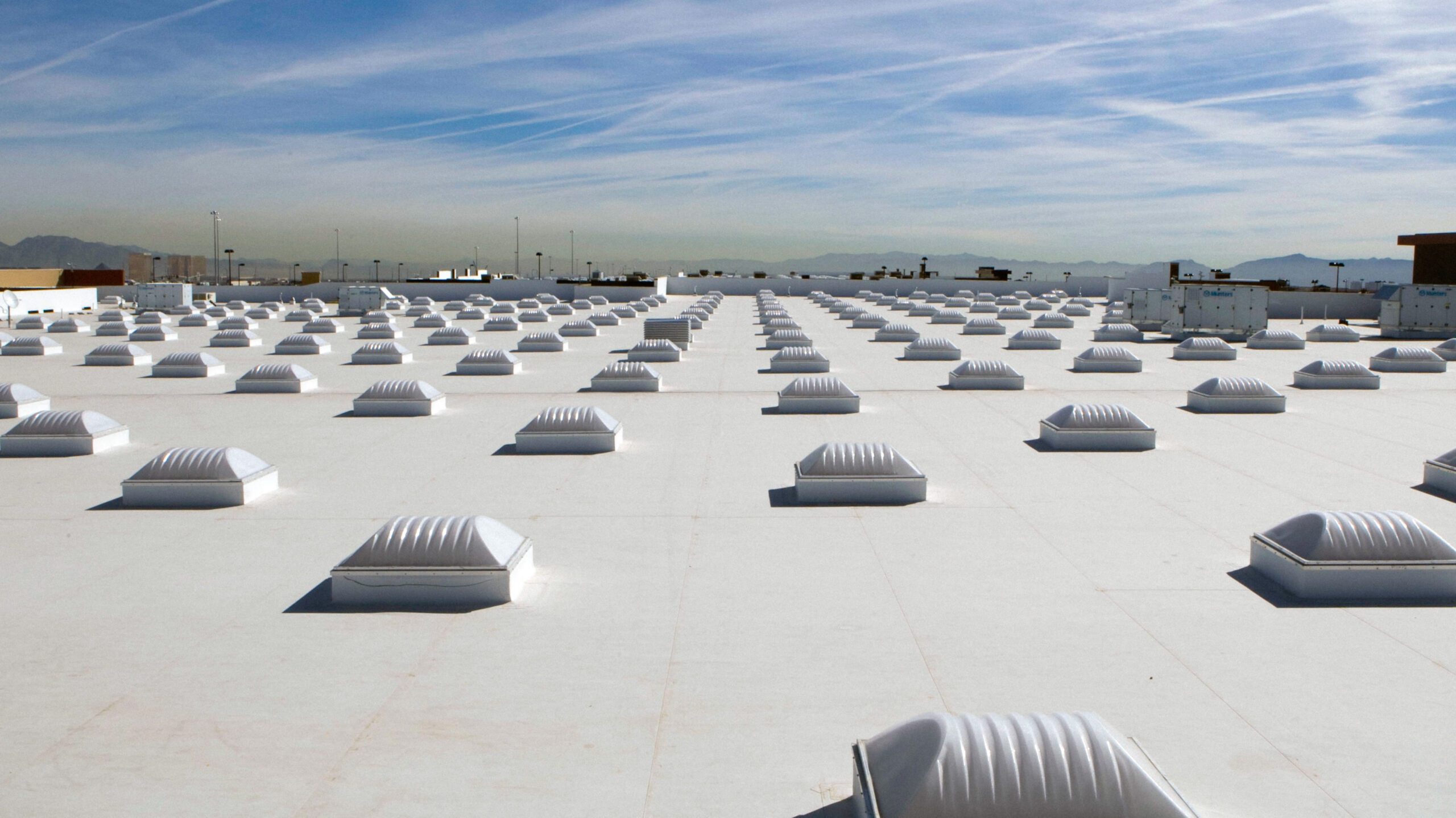
Cinemas pack a lot of machinery onto the roof. Each auditorium typically gets its own rooftop unit so the houses can be conditioned independently, and on top of that you've got concession exhaust, lobby heating vents, and condensers for the walk-in coolers behind the food service. Stand on a multiplex roof in Billings and the density of curbs, ducts, and conduit runs looks more like a healthcare or data building than a place that shows movies. Every one of those gets individually flashed and documented before any new membrane covers it — a missed curb here means a leak over a packed house on a Friday night.
What a theater roof walk covers
- Deck type and gauge across each long auditorium span, with pull-out testing
- Every rooftop unit, curb height, and the acoustic isolation at the curb
- Concession and kitchen exhaust, plus walk-in cooler condensers
- Core samples to confirm existing insulation layers, moisture, and weight in place
- The marquee and entry-canopy connections, evaluated as separate flashing items
What we typically specify
For most multiplex roofs in Billings we land on 60-mil or 80-mil TPO mechanically attached over tapered polyiso. The tapered insulation is the part owners underrate: decades on a dead-flat theater roof leave ponding that tapered iso corrects, and the slope it builds is what actually extends the membrane's life by getting water to the drains. White TPO also meets the cool-roof energy requirements most jurisdictions now apply to a commercial reroof permit. Where the structure is concrete deck and the loads allow, an adhered system removes the seam-line fastener concentration and helps acoustically too. High-traffic lanes around the rooftop units get reinforced walkway pad so the HVAC service crews don't chew up the field.
The leak that's almost never the field
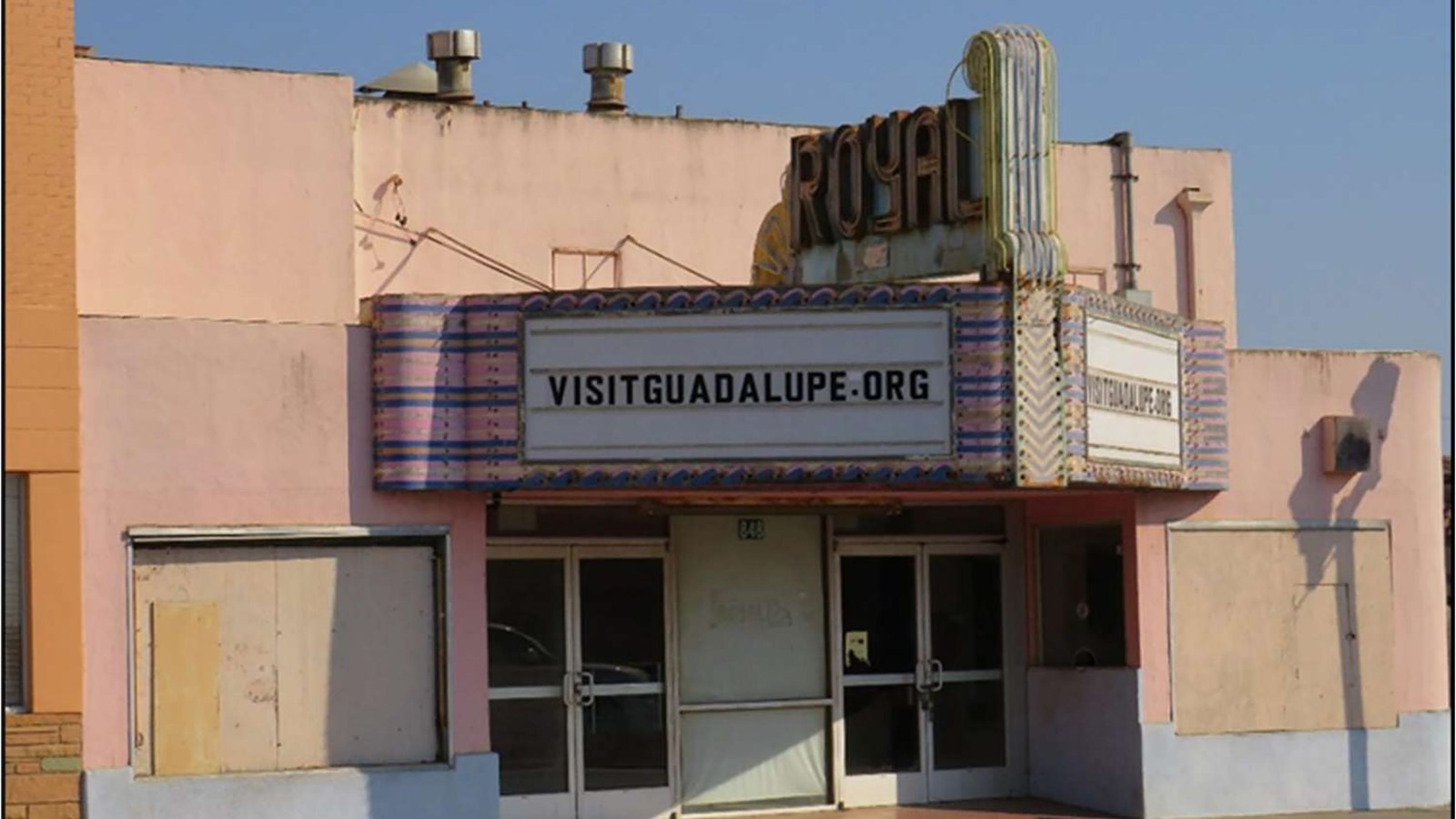
When a theater calls about a chronic drip near the entrance, it's rarely the main roof. It's the marquee or the entry canopy. Those connections — where canopy framing or sign supports tie into the building and penetrate the membrane — see thermal cycling and differential movement that ordinary retail flashing wasn't built to take over the long haul. We treat them as their own line items, evaluate them on every cinema project, and re-flash them with details made for that movement rather than burying the problem under fresh field membrane.
Snow load on a stepped roof
Cinema roofs in Billings are rarely a single flat plane. The auditorium boxes step up above the lobby and concourse, and those height changes are exactly where wind-driven snow piles into drifts over the course of a winter. Drift load lands on the lower roof against the taller auditorium walls, and it sits there on the long-span structure that's already carrying a row of rooftop units. We map where the drifts will collect, build the tapered insulation and crickets to push meltwater toward the drains instead of letting it pond and freeze at the base of those walls, and make sure the wall-to-roof flashings at every step can take repeated freeze-thaw without the seams loosening. On a stepped, long-span roof, getting the water off and managing the drift is as important as the membrane on the field.
Recover or full replacement
An older theater roof doesn't automatically need a tear-off. If the existing membrane is intact and the cores come back showing dry insulation, a recover — a new membrane over the old assembly, or a silicone restoration coating where the substrate suits it — can extend the roof for years without sending the crew through the building's evening operations any more than necessary. The catch is moisture: covering wet insulation just seals the problem in, so we core first and recover only when the readings support it. When the assembly is saturated or the existing slope drains nowhere, a full replacement with new tapered insulation is the right call, and we'll show you the core results behind whichever way we recommend.
Working around showtimes
Cinemas run from early afternoon into the late night, seven days a week, which puts them in the same scheduling bucket as a 24-hour building. We plan tear-off and dry-in so every section is watertight before the evening houses fill, coordinate any HVAC shutdowns for curb or flashing work with facilities management, and keep crews and material handling clear of the entries and loading access during opening procedures. Pricing is per roof square off a roof walk and core review, and most multiplex reroofs include the tapered design — it adds cost up front and pays it back in membrane life.
Common questions
What membrane goes on a multiplex?
Usually 60- or 80-mil TPO mechanically attached over tapered polyiso, white to meet cool-roof code, with walkway pad in the high-traffic HVAC lanes. Concrete-deck houses may run adhered for better acoustics and to drop the seam-line fasteners.
How do you handle the big auditorium spans?
We verify deck type, gauge, and rib depth and pull-test before setting the attachment pattern. Where deflection is a concern we may go adhered or hybrid to avoid concentrating point loads at the seams.
Can you reroof without closing the theater?
Yes. Work is sequenced around the screening schedule, each section dried in before the evening houses open, and HVAC shutdowns coordinated with facilities in advance.
What about the marquee and canopy leaks?
Those connections are scoped as individual flashing items and re-flashed with details built for the movement they see. It's the most common chronic theater leak and it's never solved by replacing the field membrane alone.